Choosing the right quilt batting can feel like a maze. You want cosy warmth without bulk, softness that holds stitches, and a look that suits your project perfectly. This guide breaks down the types of quilt wadding available in the UK, explains loft and stitch distance, and helps you pick the best layer for your next quilt. Join SHQA free today to tap into expert tips, community support, and handy resources that make quilting even more joyful.
For more on fabric choices, explore The Best Quilting Fabric: Choose Cloth That Sews, Presses, and Lasts Beautifully. If you’re seeking UK-friendly inspiration, check out Stitching with Missouri Star Quilt Company: UK-friendly Inspiration with SHQA. Lastly, for a guide on fabric bundles, have a look at Fat Quarter Shop Savvy: Your UK Guide to Buying, Bundling, and Stitching with Confidence.
Types of Quilt Batting
Understanding the variety of quilt wadding is crucial to choosing the perfect layer for your quilt. Each type offers unique qualities that can enhance your project in different ways.
Cotton, Wool, and Bamboo Wadding
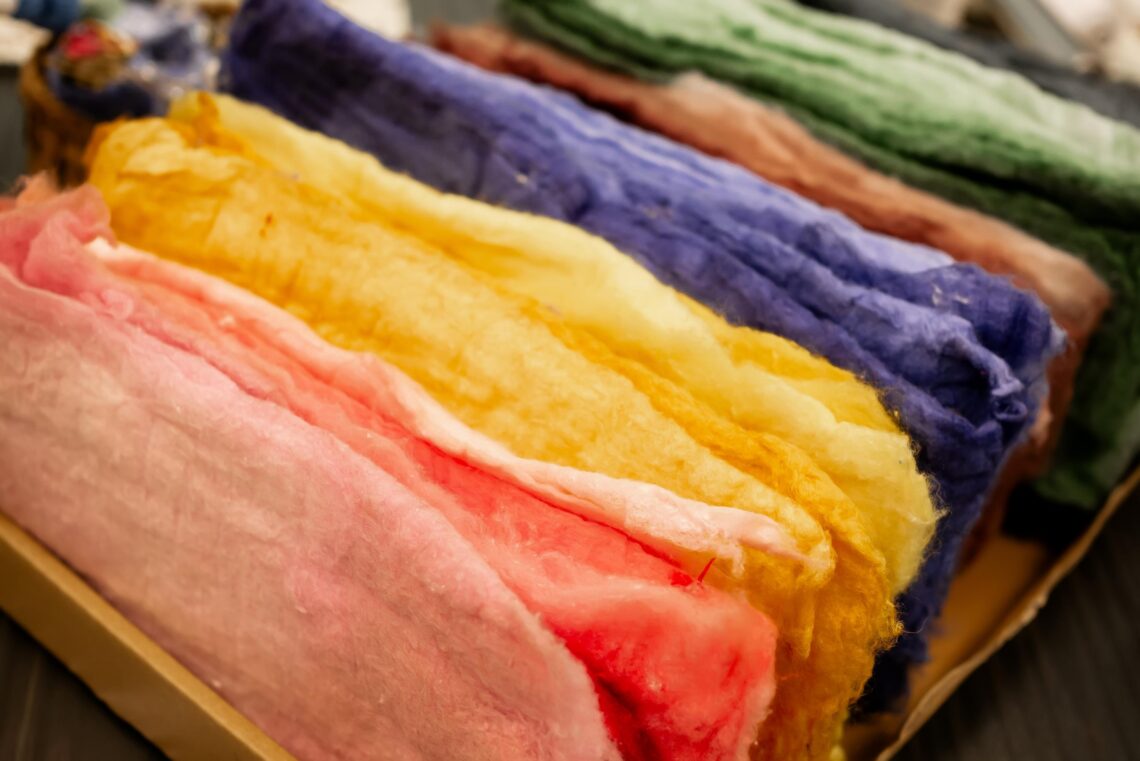
Cotton wadding is a popular choice for its natural feel and breathability. It’s perfect if you want a quilt that feels soft and holds warmth. Wool batting, on the other hand, is ideal for those looking for extra warmth. It naturally regulates temperature and adds a cosy weight to your quilt. Bamboo wadding is an eco-friendly option that combines softness with durability. It’s a lovely choice if you’re aiming for a sustainable quilt. Each of these materials provides its own benefits, helping you achieve the feel and look you desire for your quilt.
Polyester and Blended Batting
Polyester batting is a great alternative if you’re looking for something budget-friendly and lightweight. It’s easy to work with and dries quickly, making it a practical choice for everyday quilts. Blended batting, which often combines natural and synthetic fibres, balances softness and affordability. It’s a versatile option that suits a variety of quilting projects. Whether you’re making a quilt for everyday use or a special gift, these options offer flexibility and reliability.
Sustainable and Anti-Allergy Options
If sustainability is your focus, there are many eco-friendly batting choices available. These options often include recycled fibres or organic materials that reduce environmental impact. For those with allergies, anti-allergy wadding is a must. These specially treated materials ensure comfort without triggering sensitivities. Choosing sustainable or hypoallergenic options ensures your quilt not only feels good but also aligns with your values.
Understanding Batting Loft and Drape
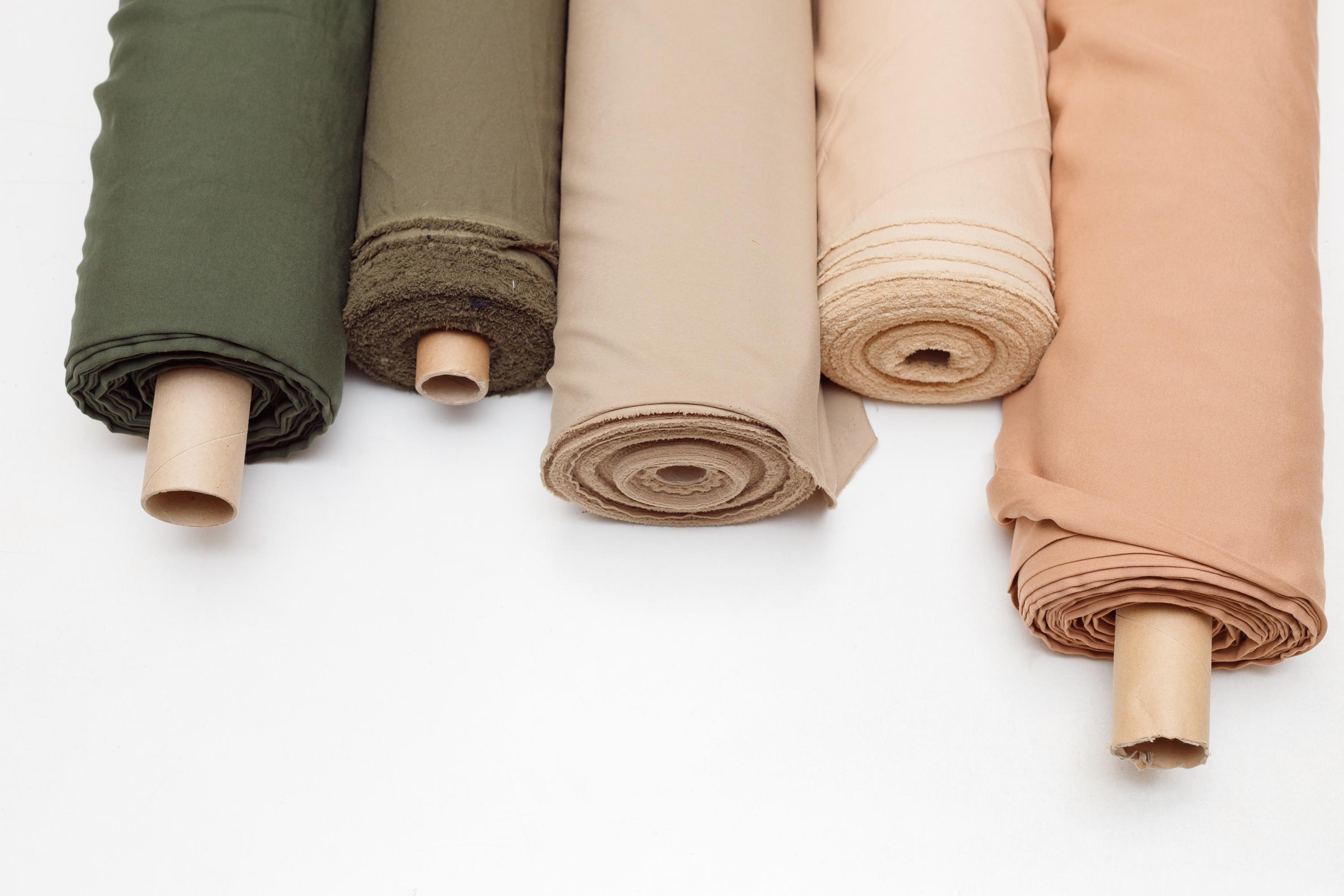
Selecting the right loft and drape can transform your quilting experience. These factors determine the texture and flexibility of your finished quilt.
Choosing the Right Loft
Loft refers to the thickness of your batting. Low loft batting is thinner, providing a flat finish that’s great for detailed quilting patterns. High loft, in contrast, is thicker and puffier, offering a plush feel. It’s ideal for blankets meant to provide extra comfort and warmth. Consider the end use of your quilt to determine the best loft, ensuring it meets your comfort needs.
Quilt Drape and Stitch Distance
The drape of your quilt affects how it hangs and feels. A quilt with a good drape will flow smoothly and feel soft to the touch. Stitch distance is crucial here, as closer stitches can make the quilt firmer. A wider stitch distance allows for more flexibility, enhancing the drape. Balancing these elements can make your quilt both beautiful and functional.
Hand vs Machine Quilting Tips
Whether you choose hand or machine quilting, each method offers unique advantages. Hand quilting provides a traditional look and can be more forgiving with imperfections. Machine quilting, however, is faster and offers precision, making it ideal for larger projects. Consider the time you have and the finish you desire when deciding which method to use.
Care and Maintenance of Wadding
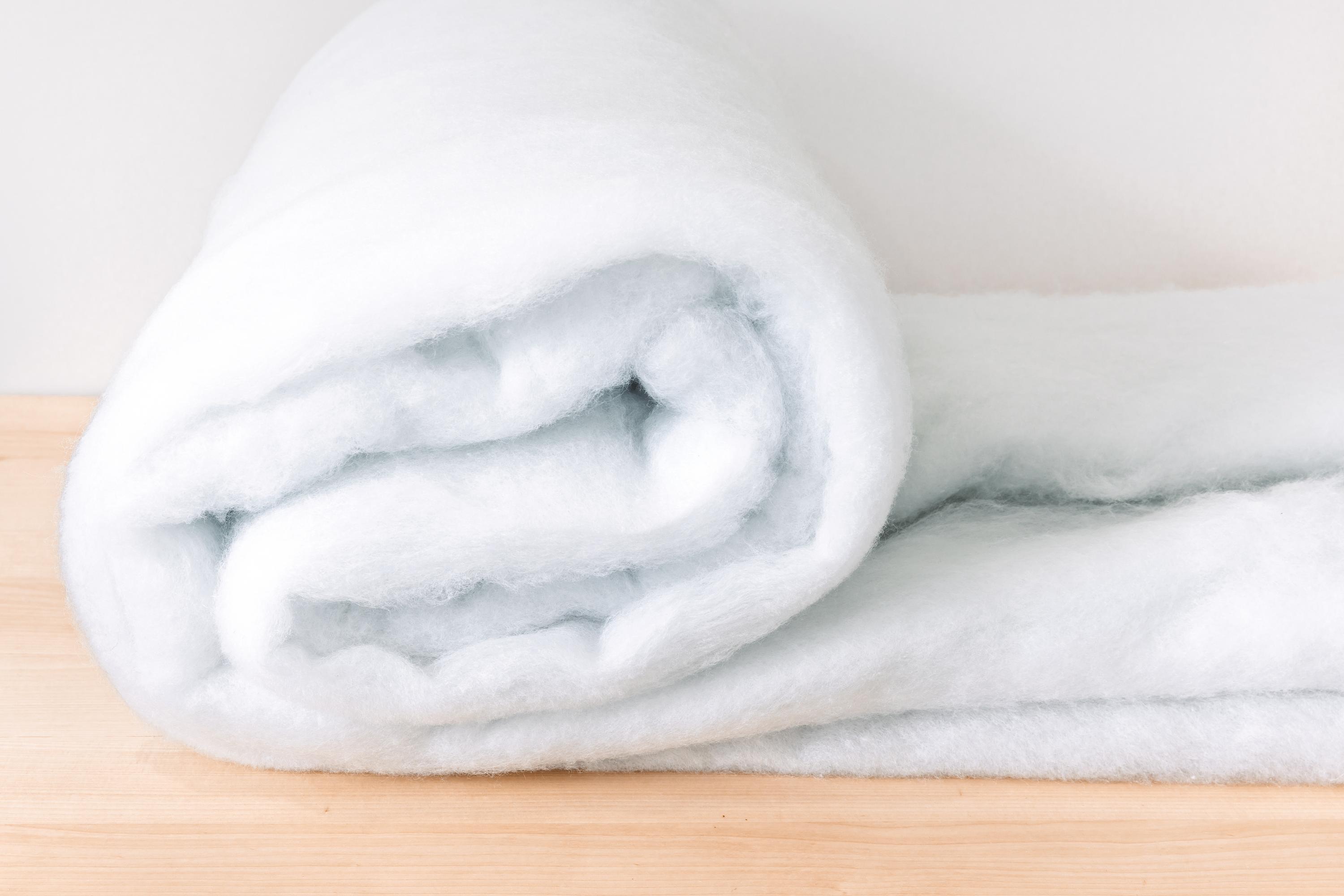
Proper care can extend the life of your quilt, ensuring it remains a treasured item for years.
Pre-Washing and Storage Advice
Pre-washing your batting can prevent shrinkage and colour bleeding. It’s a step worth considering, especially for quilts that will be heavily used. Proper storage is also key. Keep your quilts in a cool, dry place to prevent damage from moisture or pests. These steps will help preserve the beauty and integrity of your quilt.
Troubleshooting Common Issues
Common issues like batting shifting or clumping can be frustrating. Using a basting spray can help hold everything in place during the quilting process. If you notice uneven stitching, check your machine settings or needle type, as these can impact the final result. Addressing these issues early can save you time and ensure your quilt looks its best.
Warmth and Weight Considerations
The warmth of your quilt depends greatly on the batting choice. Heavier batting provides more insulation, making it perfect for colder months. Lighter batting is better for summer or indoor use. Consider the climate and intended use of your quilt to strike the right balance between warmth and weight.
😊🧵
Frequently Asked Questions
What is the best type of quilt batting for beginners?
Cotton batting is often recommended for beginners due to its ease of use and availability. It offers a natural feel and is forgiving with both hand and machine quilting.
How do I choose between high loft and low loft batting?
Consider the final use of your quilt: high loft is thicker and warmer, ideal for blankets. Low loft is thinner, perfect for detailed quilting patterns and wall hangings.
Should I pre-wash my quilt batting?
Pre-washing your batting can prevent shrinkage and colour bleeding, especially in quilts that will be washed frequently. It’s an extra step that ensures your quilt maintains its shape and colour.
Can batting affect the drape of my quilt?
Yes, the type and loft of your batting can significantly impact how your quilt drapes. Selecting the right combination will ensure your quilt hangs beautifully and feels soft.
How do I fix uneven stitching on my quilt?
Uneven stitching can be caused by incorrect machine settings or needle type. Checking these elements and using basting spray can help achieve a more even and professional finish.

