
Stitching Us Together: A Friendly Guide to Planning Quilting Events that Unite Enthusiasts
Planning quilting events UK can feel overwhelming when you want everyone to feel included and inspired. You might be juggling themes, venues, volunteers, and budgets, all while hoping your event brings people closer through patchwork workshops and sewing meet-ups. This guide offers a warm, step‑by‑step approach to organising joyful gatherings—from sit and sew sessions to quilting retreats—that celebrate community quilting. Ready to stitch us together with a plan that works?
Crafting the Perfect Quilting Event
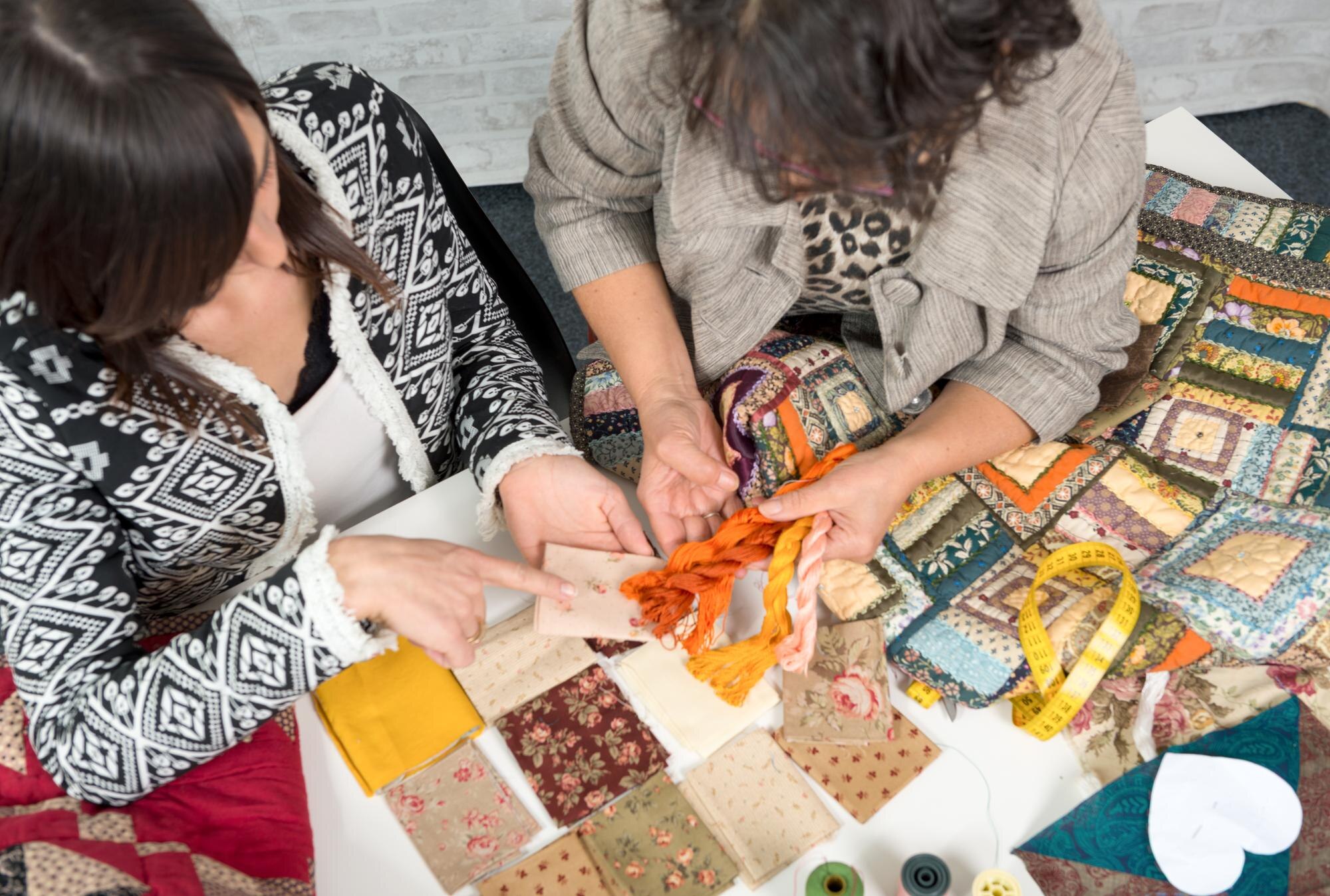
Planning a quilting event is like stitching together a quilt: each piece is vital for the final masterpiece. Let’s explore how to create a memorable gathering that connects and celebrates the quilting community.
Setting Purpose and Theme
Every great event begins with a clear purpose. Do you want to teach new skills or simply gather kindred spirits? Define your goal first. Themes add charm: consider traditional patterns, modern twists, or cultural motifs. Themes guide your decorations, activities, and even the snacks!
Once you have a theme, crafting a message that resonates becomes easier. For example, a “Patchwork Peace” event can focus on the calming effects of quilting. This clarity not only attracts participants but also simplifies planning.
Choosing an Accessible Venue
Finding the perfect spot can feel daunting. Yet, the right venue plays a crucial role in your event’s success. Choose a location that’s easy to reach by public transport and has parking. Ensure it has ramps or elevators for those needing mobility assistance.
Consider community centres or libraries, which often offer affordable and accessible spaces. Check the venue’s lighting—natural light is a quilter’s best friend. Adequate space for sewing machines and cutting tables is also essential.
Budgeting and Sponsorship Tips
Managing finances can make or break your event. Start with a budget that covers venue, materials, and refreshments. Estimate expenses for each category, then add a little cushion for unexpected costs. Seeking sponsorships or partnerships can help lighten the load.
Local businesses, especially fabric shops, might sponsor in exchange for promotion. Offering workshops or raffles can also generate funds. Remember: every penny saved can enhance the experience for your attendees.
Building Your Quilting Community
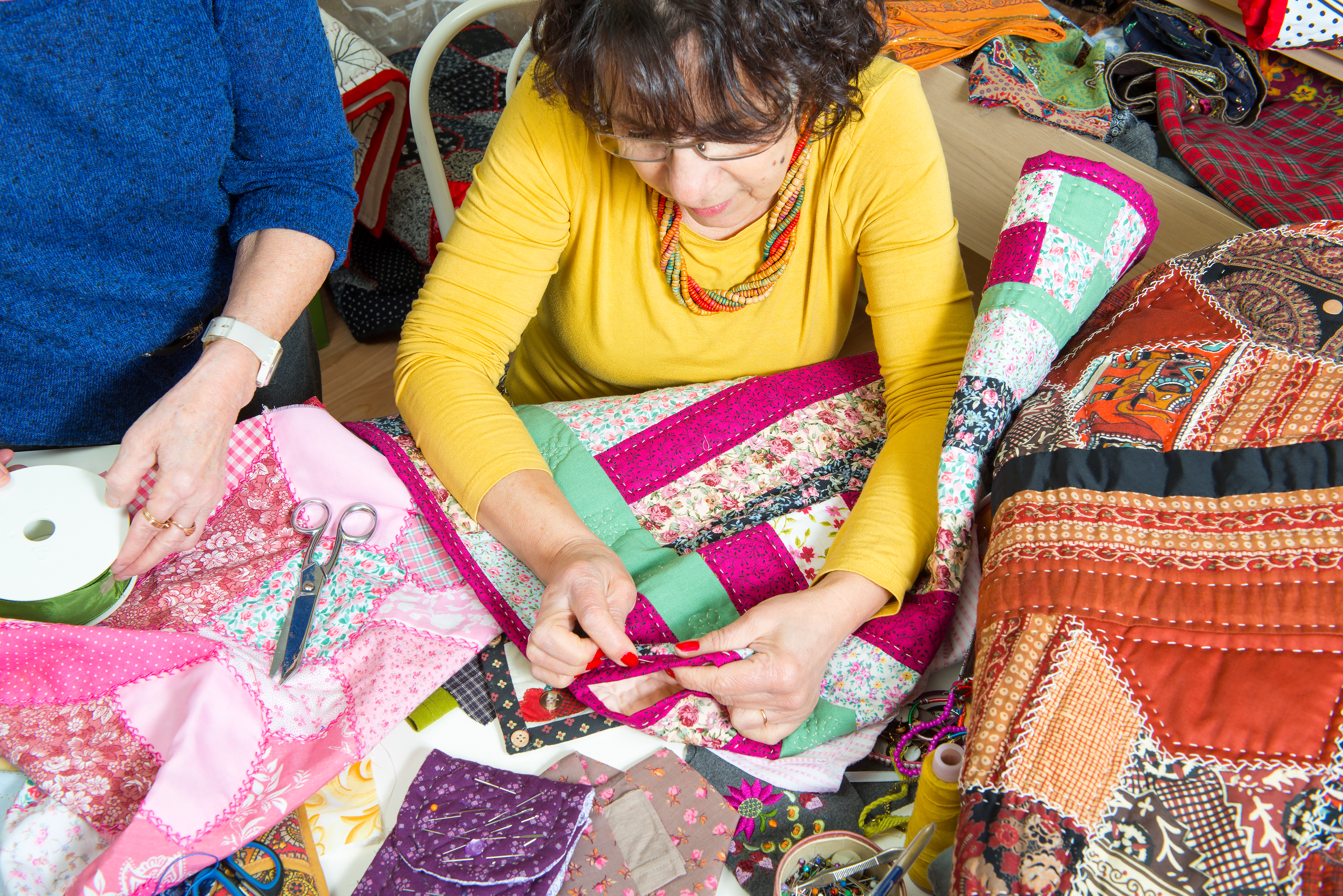
A successful quilting event is as much about the people as it is about the fabric. Let’s dive into how you can build a welcoming community around your event.
Recruiting Volunteers and Helpers
Helpers make events run smoothly. Start by reaching out to friends, family, and local quilting groups. Clearly outline roles: from registration desk duties to helping set up tables.
Volunteers are more likely to lend a hand if they know the impact their help has. Offer perks like free entry or a goodie bag to show appreciation. With the right team, your event will be a breeze to organise.
Promoting Your Quilting Event UK
Getting the word out is key. Use social media platforms like Facebook and Instagram to create event pages. Share posts regularly with engaging images and details about the event.
Local quilting forums and newsletters can also spread the word. Don’t forget to list your event on community boards at libraries or coffee shops. The more people know about it, the more will join in the fun.
Connecting with Fabric Shop Partners
Fabric shops are invaluable allies. Partnering with them can provide discounts for materials or even venue spaces. In return, promote their services during the event.
Hosting a small demonstration or talk by a shop owner can draw in more attendees. These partnerships can enhance your event, offering participants new resources and connections in the quilting world.
Creating an Inclusive and Welcoming Atmosphere
An event that feels inclusive leaves a lasting impression. Let’s explore strategies to ensure everyone feels welcome and engaged.
Ensuring Accessibility for All
Inclusivity should be at the forefront of your planning. Ensure your venue is accessible, with ramps and wide doorways. Provide seating options for different needs, including chairs with backs for comfort.
Consider the auditory and visual needs of attendees. Offering printed materials in large print or having a quiet room available can make a world of difference. Inclusivity isn’t just about physical spaces—it’s about creating an environment where everyone feels welcome.
Planning a Fun Sit and Sew
Sit and sew sessions add a relaxed vibe. They’re perfect for all skill levels and encourage mingling. Set up designated tables for different projects: hand quilting, machine sewing, or beginners’ corners.
Supply basic materials and let attendees bring their own projects too. This variety fosters creativity and allows for easy interaction. These sessions often become the heart of the event, where connections flourish.
Engaging with Charity Quilt Drives
Adding a charitable element brings people together with purpose. Organise a quilt drive where attendees can contribute blocks or complete quilts. Partner with local charities where these quilts can provide warmth and comfort.
Promote the cause throughout your event, sharing stories of how these quilts make a difference. This not only enriches the event but also instils a sense of community and shared achievement.
🎉🧵🌍
This guide aims to make your quilting event a joyous and inclusive experience, weaving together community spirit and creativity. Remember, every stitch counts!

