
Start Your Quilting Journey with Confidence: 10 Essential Tips
Starting quilting can feel tricky at first, especially when you’re sorting through fabrics and tools. These beginner quilting tips will guide you step-by-step, from choosing quilting cottons to mastering the quarter-inch seam. Along the way, you’ll find plenty of support from the UK quilting community through SHQA’s free membership, events, and helpful directories. Ready to make your first patchwork for beginners project? Let’s get stitching with confidence!
Essential Quilting Supplies

Gathering the right materials is key to beginning your quilting journey. Let’s break down what you need to get started, from choosing the right fabrics to understanding essential tools.
Quilting Cotton vs Craft Cotton
Choosing the right fabric can make or break your project. Quilting cotton is often the go-to choice for beginners. It’s durable and easy to work with, making it perfect for patchwork for beginners. Unlike craft cotton, quilting cotton has a tighter weave, ensuring your quilt stands the test of time. Think of it as the difference between a sturdy umbrella and a flimsy one. Opt for quilting cotton to ensure success in your projects.
Here’s a quick insight: Most people assume all cottons are the same, but quilting cotton ensures your seams hold tight. Ready to explore your fabric options? Visit local fabric shops for fat quarters UK and start building your collection!
Must-Have Quilting Tools
The right tools make quilting much more enjoyable. You’ll need a rotary cutter, a cutting mat, and a ruler. These ensure precise cuts, which is crucial for accurate piecing. Rotary cutters are like scissors but more efficient, making cutting through layers of fabric a breeze. Safety is paramount; always keep the blade closed when not in use to prevent accidents.
Did you know? Most quilters swear by their rotary cutter; it’s like a magic wand for fabric! Explore online shops for the best deals on quilting supplies UK.
Choosing Wadding Wisely
Wadding, or batting, is the fluffy middle layer of your quilt. It adds warmth and texture. Options include cotton, polyester, and blends. For a beginner, cotton wadding is often the best choice. It’s easy to work with and gives your quilt a classic feel. Polyester can be more challenging to handle but offers a loftier finish.
Here’s the key insight: Choosing wadding affects your quilt’s warmth and thickness. Sample different types to find what suits your style. Ready to make your quilt snuggly and warm?
Mastering Basic Techniques
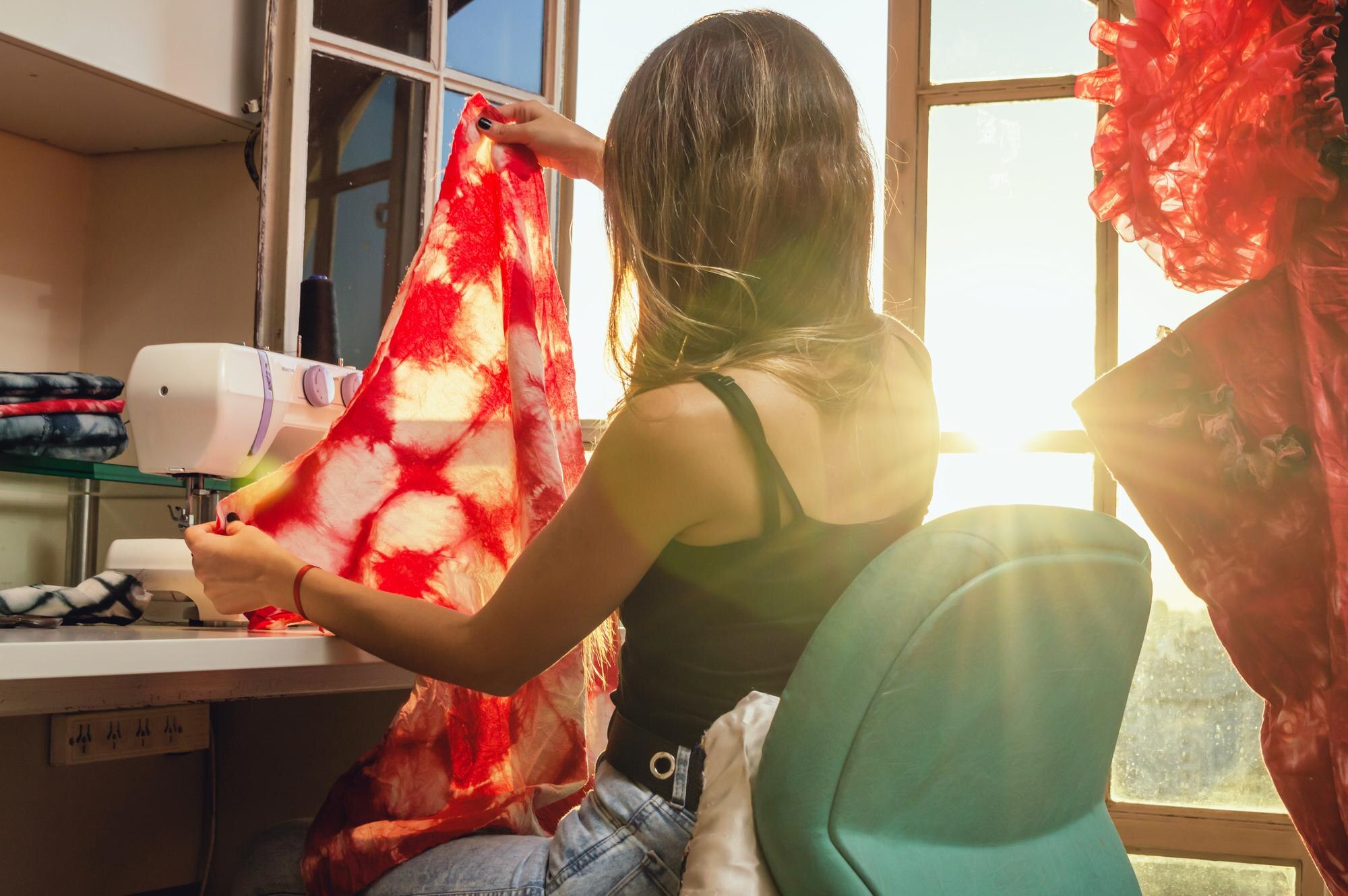
With your supplies ready, it’s time to dive into the techniques that form the foundation of quilting. These steps will make your projects not only achievable but also enjoyable.
Accurate Cutting and Chain Piecing
Cutting accurately is your first step to a perfect quilt. Always double-check your measurements and use a sharp rotary cutter. Chain piecing, which involves sewing pieces in a continuous chain, saves time and thread. It’s like creating a daisy chain of fabric pieces that you can snip apart once sewn.
Most beginners think precision is tedious, but it’s where the magic happens. Chain piecing speeds up the process, making quilting more fun and less daunting.
Pressing Seams Not Ironing
Pressing seams instead of ironing them is a small change that makes a big difference. When you press, you gently open the seams without stretching the fabric. This helps the stitches lay flat and prevents distortion. Use the tip of the iron and a pressing cloth for the best results.
Here’s a little secret: Pressing seams not ironing is what gives quilts their professional look. It’s a small habit with a big payoff!
Walking Foot Quilting Basics
The walking foot is a game-changer for quilting. It evenly feeds all layers of your quilt through the machine, preventing puckering. Perfect for straight-line quilting, this tool keeps everything smooth and aligned. It’s an investment worth making for anyone serious about quilting.
Think of the walking foot as your quilt’s best friend. It’s like having an extra pair of hands guiding your fabric. Look out for machines suitable for walking foot quilting to enhance your stitching.
Beginner-Friendly Projects
Now that you’ve mastered the basics, it’s time to put your skills to the test. Here are some beginner-friendly projects that will build your confidence and inspire creativity.
Simple Quilt Blocks: Nine-Patch
The nine-patch block is a classic starting point. It involves sewing nine squares together in three rows of three. This simple structure allows for endless creativity in fabric choice and layout. It’s a great way to practice your cutting and pressing skills.
Did you know? Simple quilt blocks like the nine-patch have been loved by quilters for generations. They’re a staple for good reason!
Rail Fence Block Construction
The rail fence block is another beginner favourite. It’s made from strips sewn together, then cut into blocks. You arrange these blocks in different directions to create a pattern resembling a picket fence. This project is perfect for practicing accurate cutting and piecing.
Most people think quilting is complicated, but projects like the rail fence show how simple and fun it can be. Give it a try and see for yourself!
Basting and Binding a Quilt
Basting holds your quilt layers together temporarily, while binding finishes the edges. Use safety pins or spray adhesive to baste. For binding, sew a fabric strip around the quilt edge, folding it over and stitching it down. Both processes are crucial for a neat finish.
Here’s the insight: A well-basted quilt makes binding much easier. Don’t skip this step if you want a polished result!
🎨🧵✨
Congratulations on taking the first steps in your quilting journey! Remember, every quilter started just like you, with a few supplies and a lot of enthusiasm. The SHQA community is here to support you, offering resources and events to enhance your quilting well-being. Happy quilting!

