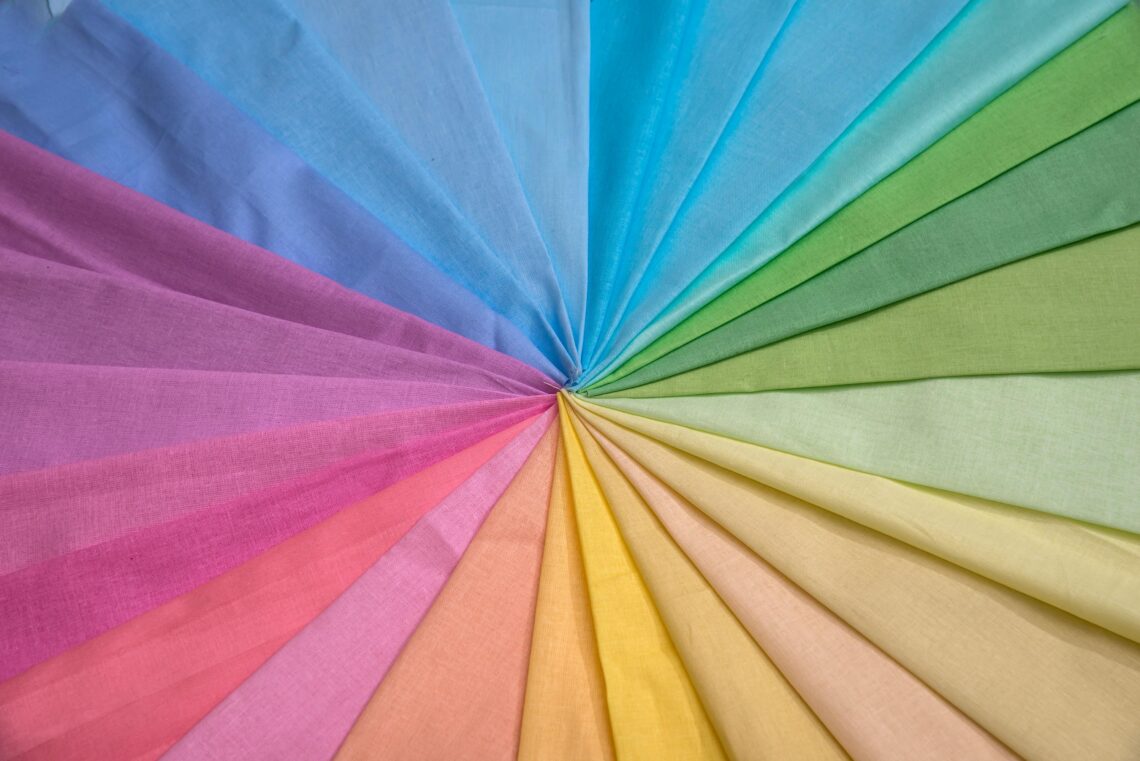
Quilting cotton can seem tricky when you first pick it up—so many choices, textures, and patterns to sort through. But getting to know this fabric well makes all the difference in your patchwork projects. In this guide, you’ll find clear steps on choosing, prepping, and stitching quilting cotton with confidence. Plus, you can connect with our friendly quilting community UK-wide, explore trusted UK fabric suppliers, and join events that bring quilters together.
To make your quilting journey smoother, you might want to check out our in-depth guide on The Best Quilting Fabric: Choose Cloth That Sews, Presses, and Lasts Beautifully. It’s packed with insights to help you make the best fabric choices. Additionally, for those keen on exploring unique quilting inspirations, have a look at Stitching with Missouri Star Quilt Company: UK-friendly inspiration with SHQA. This post is brimming with ideas and tips that are sure to ignite your creativity. If fat quarters are your thing, our Fat Quarter Shop Savvy: Your UK Guide to Buying, Bundling, and Stitching with Confidence will be your go-to resource.
Don’t forget to visit SHQA for more resources and to join our community of enthusiastic quilters. Happy stitching! 😊
Choosing Quilting Cotton
To create beautiful quilts, selecting the right cotton is essential. Understanding the fabric’s characteristics can guide your choice.
Understanding Weave and Weight
Quilting cotton is known for its tight weave and medium weight. This makes it sturdy yet flexible, ideal for both beginners and seasoned quilters. The tight weave ensures your quilt remains durable, while the weight offers ease of handling during cutting and stitching. When choosing, feel the fabric: it should be smooth but not too thin, ensuring it holds up well over time. Remember, a good quality cotton will have a thread count that speaks to its strength without compromising on softness, making your quilting projects a joy to create.
Comparing Poplin and Batik
Poplin and batik are two popular choices in quilting. Poplin is a plain weave fabric, often lightweight and smooth, which makes it easy to work with. It’s a favourite for those who enjoy simple, elegant designs. Batik, on the other hand, is known for its vibrant colours and unique patterns, created through a wax-resist dyeing process. This gives each piece a distinctive, artistic flair. Consider what kind of aesthetic you want for your quilt. If you’re looking for something classic, poplin is a safe bet. For a more artistic touch, batik will add that extra pop of colour and individuality.
Exploring Sustainable Cotton Options
Sustainability in quilting is becoming more important. Many quilters now consider eco-friendly options like organic cotton. This type of cotton is grown without harmful pesticides or chemicals, making it a healthier choice for both the environment and your home. Sustainable cotton often meets higher ethical standards, supporting fair trade and reducing the environmental impact. When selecting, look for certifications or labels that assure you of the fabric’s eco-conscious origins. Choosing sustainable options not only benefits the planet but also adds a feel-good factor to your quilting projects.
Preparing Your Fabric
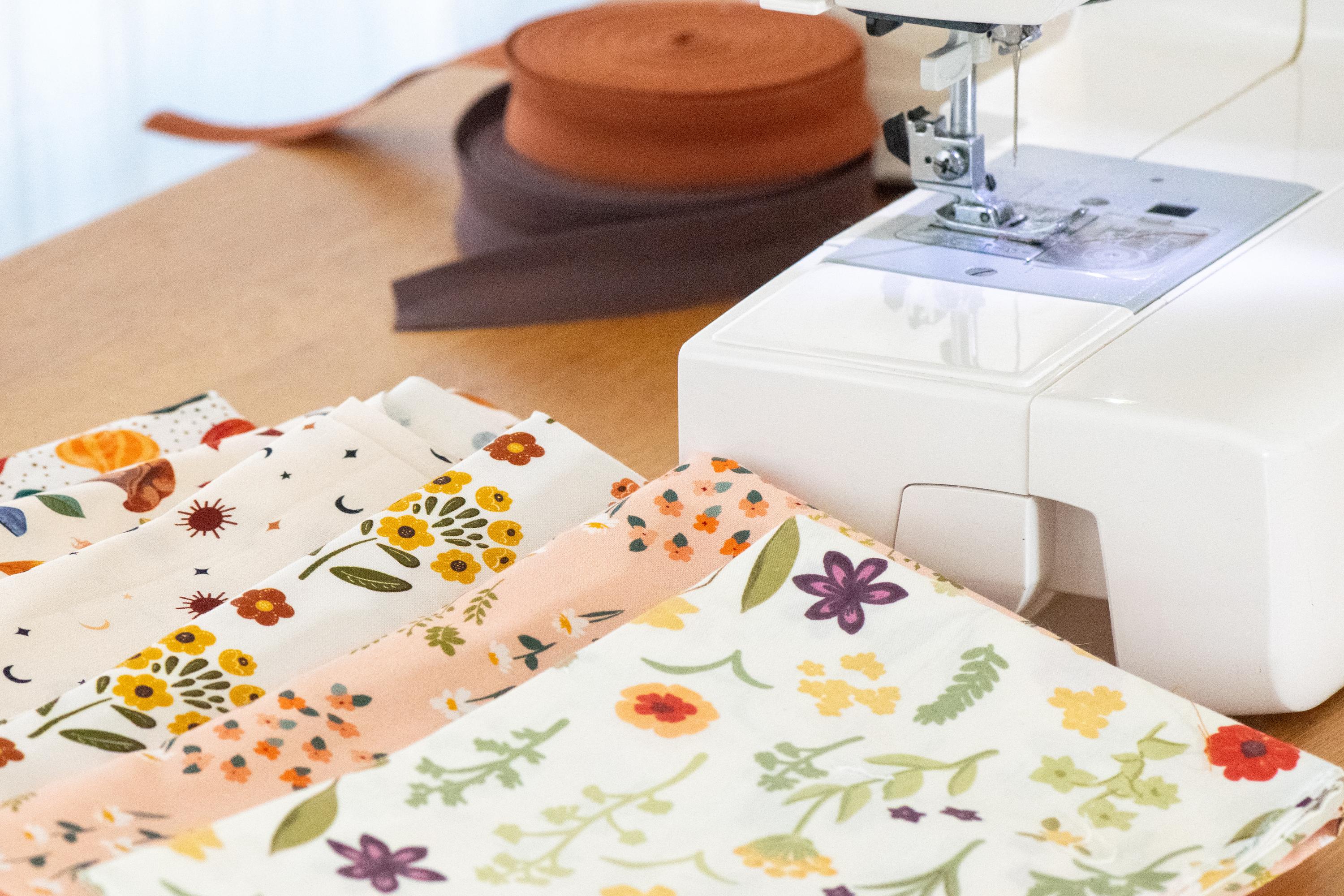
Getting your quilting cotton ready involves a few key steps to ensure your quilt turns out just right.
The Importance of Pre-Washing
Pre-washing your fabric is crucial. It helps remove any chemicals used during manufacturing and prevents future shrinking. Once washed, you’ll notice a softer texture, making it easier to handle while sewing. Pre-washing also reduces the risk of colours bleeding into each other, preserving the beauty of your quilt. Simply wash the fabric in cold water with gentle detergent and dry it thoroughly. This small step goes a long way in maintaining the integrity of your quilt.
Checking Grain and Selvedge
Understanding your fabric’s grain and selvedge is vital for precise cutting and sewing. The grain refers to the direction of the yarns in your fabric. Cutting along the grain ensures your pieces hold their shape, while the selvedge is the tightly woven edge of the fabric, preventing it from unravelling. Lay your fabric flat and align your cuts parallel to the grain lines. This approach ensures your quilt pieces fit together seamlessly, reducing frustration and enhancing the final product’s appearance.
Testing for Colourfastness
Ensuring your fabric’s colours remain vibrant wash after wash is key. Test for colourfastness by dampening a small piece of the fabric and pressing it between two white cloths. If colour transfers, additional washes are needed. This test prevents potential disappointment from colours fading or bleeding. Taking this precaution means your quilt’s original beauty will endure, even after multiple washes, preserving your hard work and creativity.
Stitching with Confidence
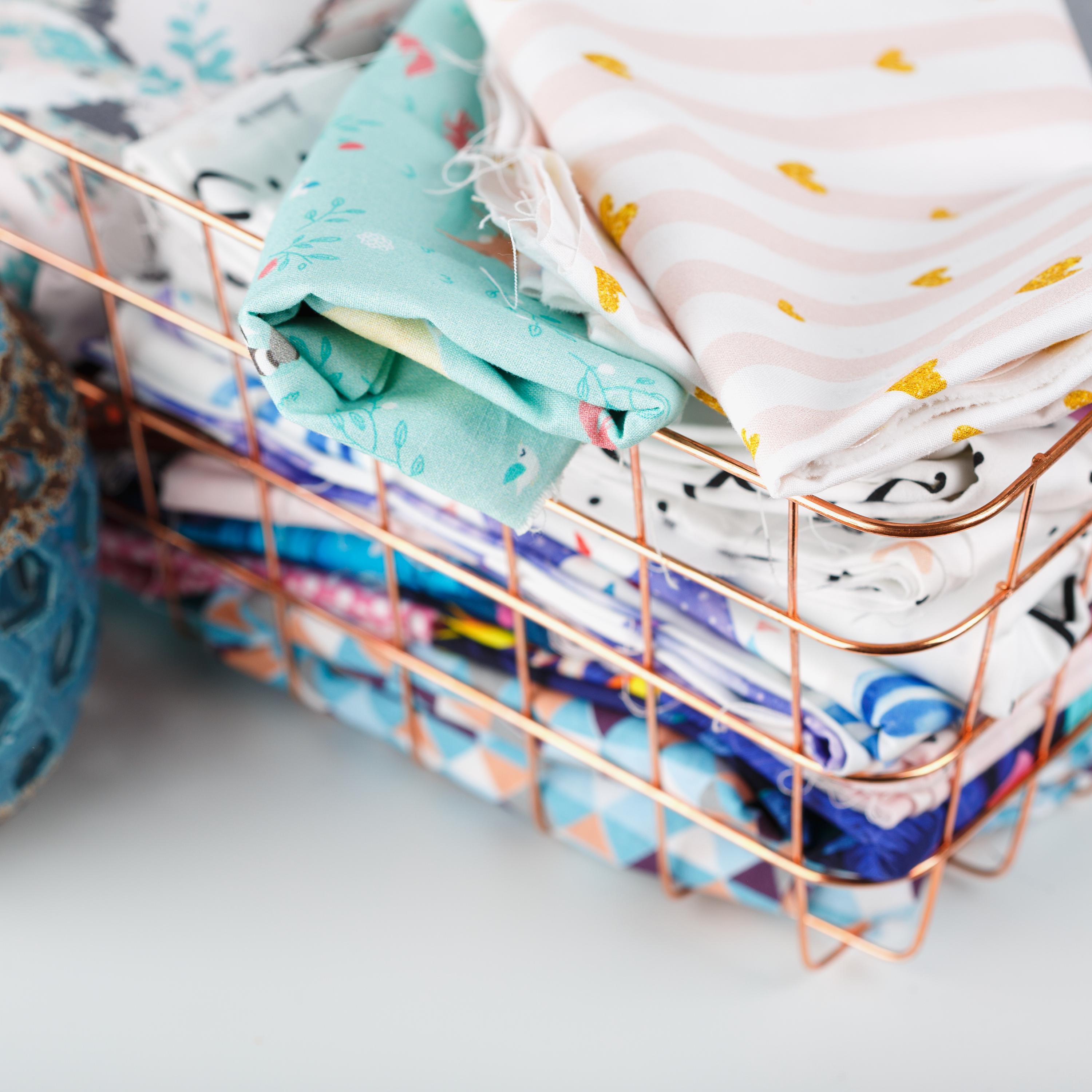
With your fabric ready, it’s time to dive into the stitching process with assurance.
Rotary Cutting Tips
Rotary cutters are a quilter’s best friend, offering precision and speed. Always use a sharp blade and a stable cutting mat to ensure clean cuts. Hold the rotary cutter firmly and cut in a steady motion to avoid jagged edges. This tool allows for exact measurements, crucial for piecing your quilt together accurately. Using a rotary cutter can significantly streamline your quilting process, making it both enjoyable and efficient.
Achieving Flat Seams and Crisp Points
Flat seams and crisp points are the hallmark of a well-crafted quilt. To achieve this, press your seams carefully after sewing. Use an iron to set the stitches, then press them to one side. This technique helps your quilt blocks lie flat and align correctly. When it comes to points, accurate cutting and sewing are crucial. Take your time lining up each piece, and sew slowly to maintain precision. These steps are key to creating a quilt that not only looks professional but feels satisfying to complete.
Quilting Well-Being and Community Spirit ✂️❤️
Quilting offers more than just a creative outlet; it fosters well-being and a sense of community. Engaging in quilting can be meditative, helping to reduce stress and promote mindfulness. Sharing your quilting journey with others, whether through local groups or online communities, adds an element of connection and support. At SHQA, we celebrate the joys of quilting and the friendships it builds. Join our community to share your projects, learn new techniques, and find inspiration. Remember, quilting is about enjoying the process and the shared love for this timeless craft.
Frequently Asked Questions
What is the best type of cotton for quilting?
100% cotton fabric is often recommended due to its durability and ease of use. It holds up well to sewing and washing, ensuring your quilt remains beautiful over time.
How do I test if my fabric is colourfast?
Dampen a small piece of the fabric, press it between two white cloths, and check for any colour transfer. If colour transfers, additional washing is needed to prevent future bleeding.
Why is pre-washing fabric important?
Pre-washing removes chemicals, prevents shrinking, and reduces the risk of colours bleeding, helping your quilt maintain its quality and appearance after completion.

