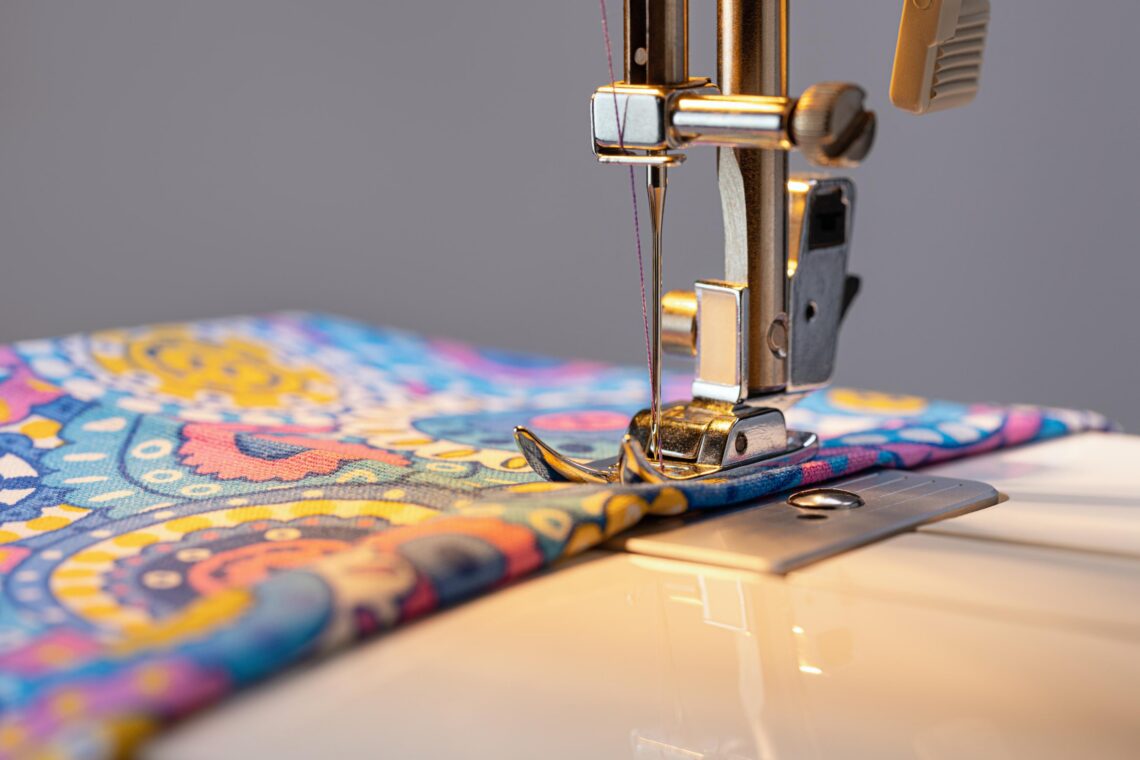
Free‑motion quilting on a domestic machine can feel tricky at first, especially when choosing and setting up your free motion quilting foot. But with the right guidance, you’ll soon stitch smooth, even designs with confidence. This friendly guide shows you how to pick the perfect foot, master your machine settings, and enjoy quilting that feels as relaxing as it looks. Join SHQA for free and find support through our events, tutors, and helpful directories—your quilting community awaits!
If you are new to the world of quilting, you might want to explore our warm and welcoming beginner’s guide to get started. For those looking to jump straight into stitching, check out our beginner-friendly patterns that will have you quilting with confidence in no time. Plus, don’t miss out on our brilliant free quilting patterns that are perfect for every level, from first blocks to weekend finishes.
Join SHQA today—membership is free and always welcoming. Here’s how we can help you get stitching with confidence:
-
Free-Motion Essentials: a friendly online taster session to get you started—reserve your place now
-
Tutor Directory: find a supportive teacher for one-to-one help or group workshops
-
Supplier Directory: source feet, extension tables, needles, threads, slider mats, and rulers
-
Events & Retreats: practise your FMQ in good company—check dates on our Events page
-
Community Spotlights: share your latest practice piece and inspire others
Hashtag Inspiration: #quilting #sewing #patchwork #quilt #shqa
For more tips and resources, visit SHQA and become part of our vibrant quilting community today!
Choosing the Right Quilting Foot
Getting the right free-motion quilting foot is key to starting your quilting journey with confidence. Let’s explore how to choose the best one for your projects.
Understanding Free‑Motion Quilting Foot
The free-motion quilting foot, often a darning foot, is essential for creating smooth, flowing designs on your quilts. It allows the fabric to move freely under the needle, enabling you to stitch in any direction. By using this foot, you can produce intricate patterns without the fabric puckering. The right foot helps you achieve even stitches and enhances your creativity.
Types of Quilting Feet Explained
There are several types of quilting feet to consider. The open‑toe quilting foot offers a clear view of your stitches, making it great for precision work. The ruler foot is designed for use with quilting rulers, allowing you to create consistent lines. Each type serves different needs, so think about your quilting goals when selecting a foot. Trying out different feet can help you find the one that feels right and supports your creative goals.
Compatibility and Sewing Machine Basics
Before purchasing a quilting foot, ensure it is compatible with your machine. Most modern machines can accommodate various feet, but checking the specifications is always wise. Some machines require specific attachments or adjustments, like lowering the feed dogs, to work with free-motion quilting feet. Knowing your machine’s basics can prevent frustration and make your quilting journey smoother.
Setting Up for Success
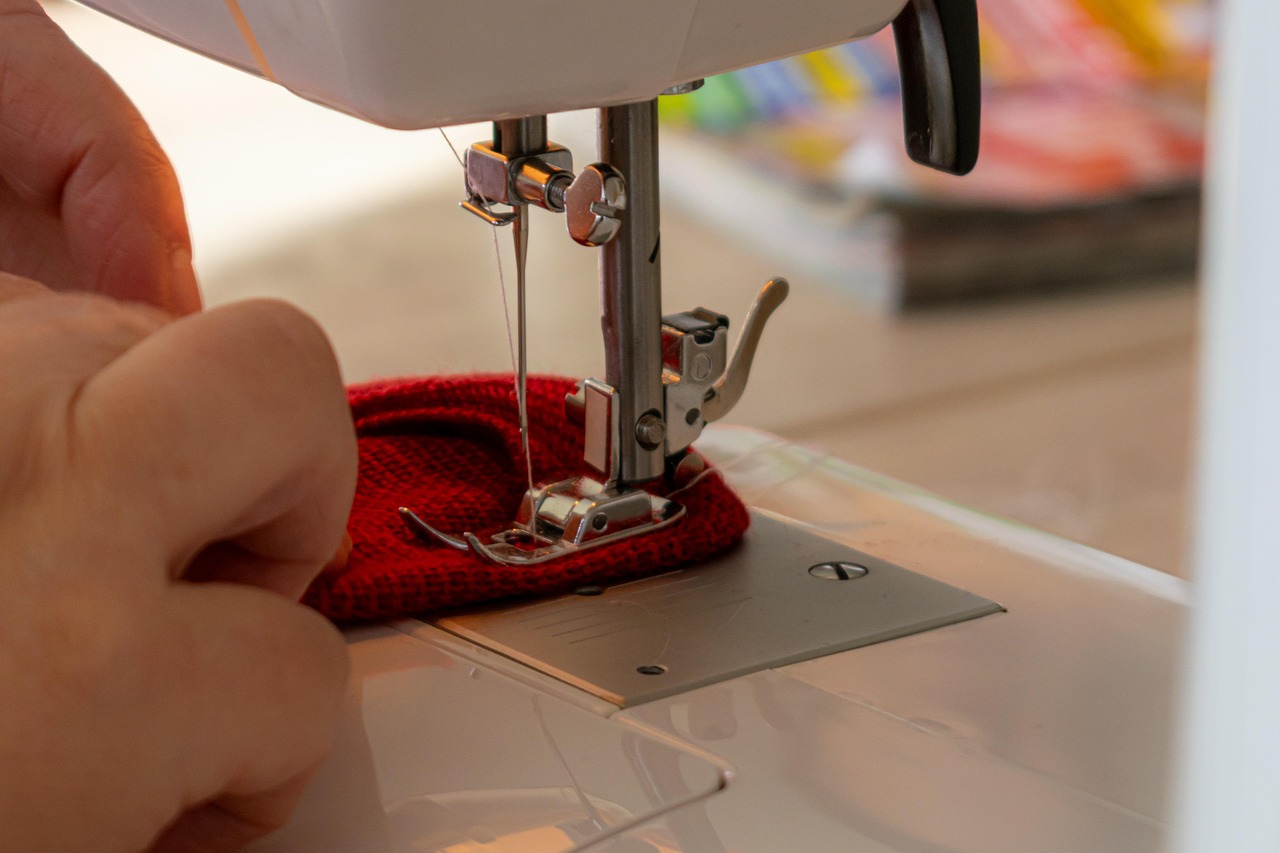
With your quilting foot chosen, it’s time to set up your machine for success. Let’s dive into the essentials for a smooth start.
Preparing Your Machine for FMQ
Start by adjusting your machine to suit free-motion quilting. Lower the feed dogs, which control the fabric’s movement, to allow full control over the fabric as you stitch. Attach the quilting foot securely. Consider using an extension table for added support. This setup helps you focus on your design without wrestling with fabric tension or movement.
Needle and Thread Choices for Beginners
Choosing the right needle and thread is crucial for beginners. Opt for a quilting needle, which is sharp and designed for multiple layers of fabric and batting. Pair it with a high-quality cotton thread, which provides strength and smooth stitching. Experiment with different colours and weights to see what complements your quilt. The right combo can make a noticeable difference in your quilting projects.
Tension Testing and Speed Control Tips
Testing your machine’s tension before starting is vital. Begin by stitching on a practice piece, adjusting the tension dial until the stitches are even and balanced. Speed control is also important; too fast, and you might lose control, too slow, and your design may become uneven. Practice finding a comfortable speed to maintain steady and consistent stitching.
Confidently Creating with Free‑Motion Quilting
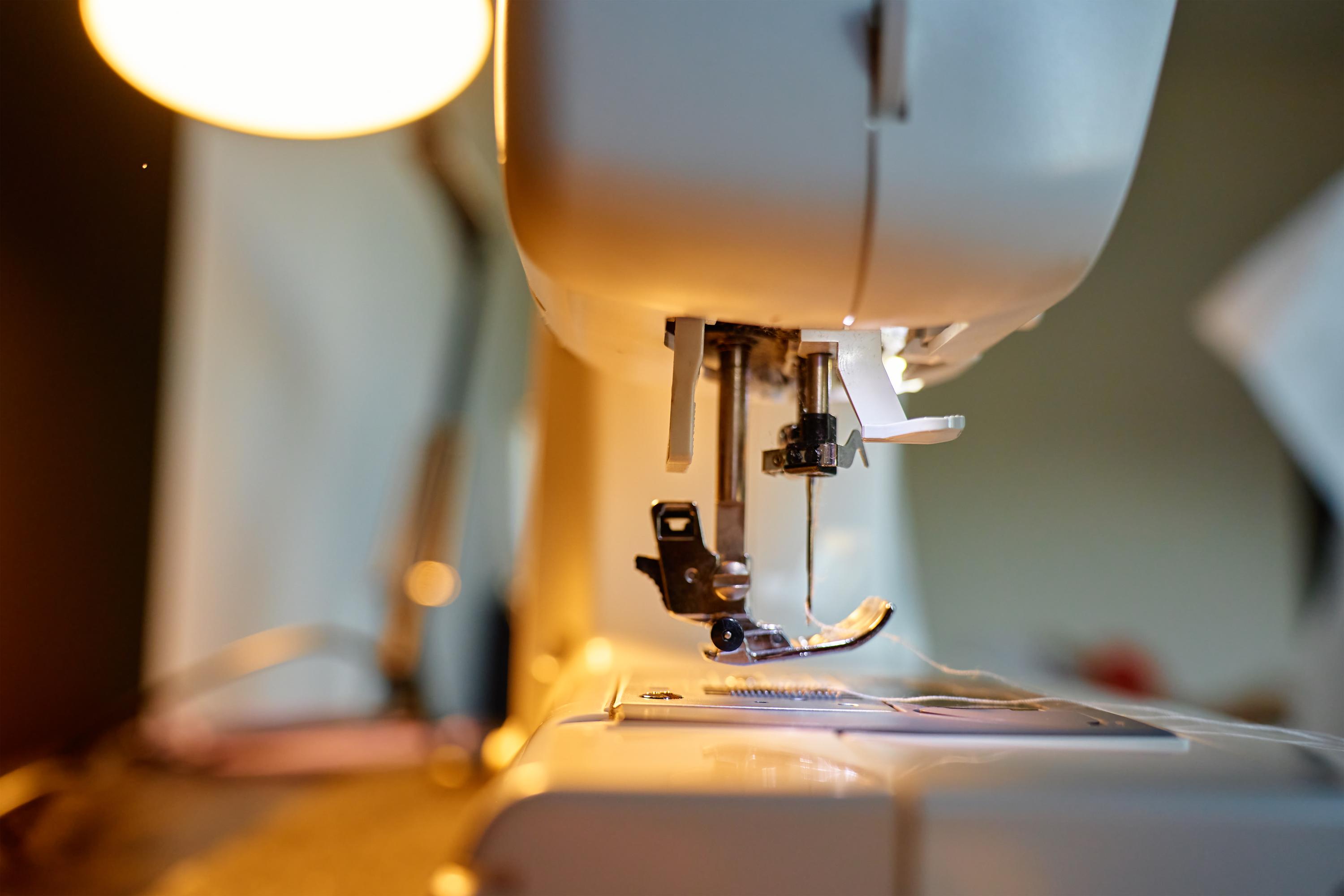
Now that your machine is ready, it’s time to start creating. Let’s explore some motifs, troubleshoot issues, and focus on comfort.
Starter Motifs to Practise
Begin with simple motifs like loops and swirls. These designs are forgiving and allow you to get comfortable with the movement. Try creating small sections of these motifs on a practice quilt sandwich to build confidence. As you progress, challenge yourself with more complex patterns. Remember, practice is key to mastering these designs.
Troubleshooting Common FMQ Issues
Every quilter encounters issues. Tension problems, skipped stitches, or puckered fabric can be frustrating. Start by rechecking your setup: ensure the foot is attached correctly, and the needle is sharp. Adjust the tension and practice on scraps until the issue resolves. Patience and persistence are crucial in overcoming these challenges.
Safety and Comfort Tips for Quilters
Quilting should be enjoyable, not a strain. Ensure your workspace is well-lit and your chair is at the right height to prevent back or neck pain. Taking breaks to stretch can help maintain comfort during long quilting sessions. A wrist support or padded gloves might also ease tension, providing a more enjoyable quilting experience.
Frequently Asked Questions
What is the best foot for free-motion quilting?
For free-motion quilting, a darning foot or an open-toe quilting foot is recommended as they allow greater visibility and movement of the fabric.
How do I know if my quilting foot is compatible with my machine?
Check your sewing machine’s manual or manufacturer’s website for compatibility details. Most modern machines have a range of compatible feet.
What needle is best for free-motion quilting?
A quilting needle is ideal as it’s designed to handle the thickness of quilts, providing smooth and even stitching.
How do I adjust the tension for free-motion quilting?
Begin with your machine’s default settings and test on a scrap quilt sandwich, adjusting the tension until the stitches are even on both sides.
How can beginners improve their free-motion quilting skills?
Practice regularly, start with simple designs, and gradually work your way up to more complex patterns. A supportive community like SHQA can also offer guidance and inspiration.

