Cotton wadding can make or break your quilt’s cosy feel, but choosing the right type isn’t always straightforward. With so many options like needle-punched cotton, scrim wadding, or different lofts, it’s easy to get overwhelmed. This guide breaks down everything you need to know about cotton batting so you can pick the perfect heart for your next quilt. Join SHQA free today to explore trusted UK quilting suppliers, connect with tutors, and find workshops that bring your quilting to life.
Understanding Cotton Wadding
Choosing the right cotton wadding can elevate your quilting project by providing the desired warmth and texture. Let’s dive into the elements that define wadding choices.
Fibre Content and Construction
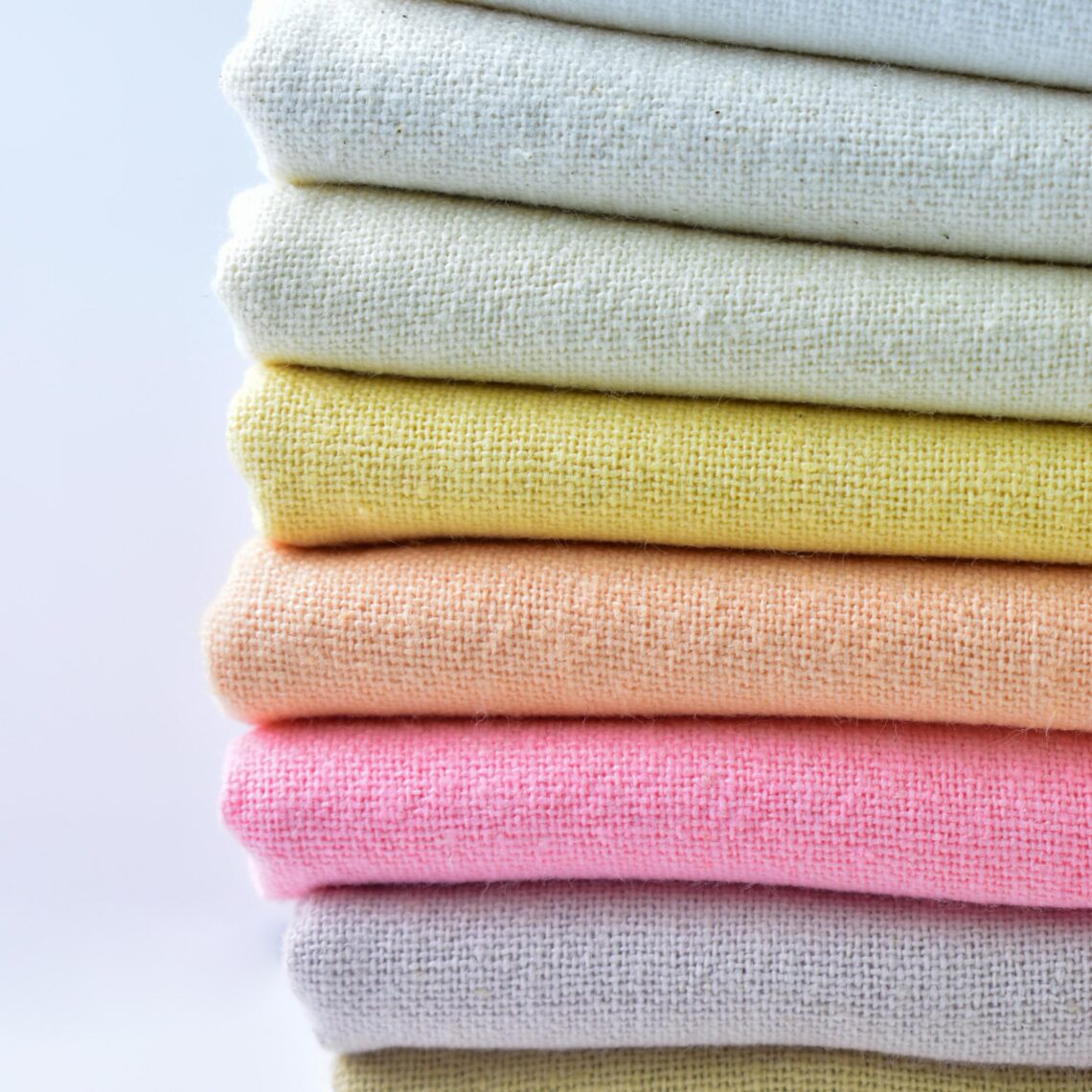
Cotton wadding, also known as batting, is the soft middle layer of a quilt. It plays a crucial role in the quilt’s weight and warmth. 100% cotton wadding is popular for its natural feel and breathability, making it a great choice for comfort. Unlike synthetic options, cotton is eco-friendly and often preferred by those wanting a more organic touch.
When selecting your wadding, consider the construction method. Needle-punched cotton offers durability and reduces the risk of bearding, where fibres poke through the quilt top. For additional strength, some quilters choose wadding with scrim, a thin stabilising layer that holds the cotton fibres together. This choice can affect the quilt’s flexibility, so think about whether you want a stiff or a soft drape.
Loft and Drape Explained
Loft refers to the thickness and fluffiness of the wadding. It affects the quilt’s warmth and appearance. Low loft wadding is thin, offering a sleek finish ideal for intricate stitching. Medium loft provides a balance between warmth and ease of quilting, while high loft wadding is thicker, creating a puffier and warmer quilt.
The drape of your quilt is also important. Low loft wadding tends to drape more fluidly, which is perfect if you want your quilt to hug the body nicely. On the other hand, high loft wadding can make the quilt feel more rigid. Consider your quilt’s purpose: a wall hanging may benefit from high loft, while a bed quilt might need a softer drape.
Choosing the Right Warmth
The warmth of your quilt is mainly determined by the loft and fibre content. Cotton batting is breathable, making it suitable for all seasons. For extra warmth, consider layering wadding or opting for a medium to high loft. This can be crucial in creating a quilt that’s both cosy in winter and cool in summer.
Think about who will use the quilt and the climate it’s meant for. A quilt for a baby might need to be lighter and softer, whereas a quilt for an adult might require more insulation. Tailoring your choice to the quilt’s use will ensure it’s both functional and comfortable.
Practical Tips for Quilting Success
Having the right wadding is just the start. Let’s look at some techniques to help you achieve the best results in your quilting projects.
Basting and Stitch Distance Tips
Proper basting ensures that your quilt layers stay in place while stitching. Use safety pins, spray baste, or hand-basting to secure your layers. When it comes to stitch distance, follow the wadding manufacturer’s guidelines; typically, stitches should be no more than 8-10 inches apart for stability.
For hand quilting, choose a wadding that’s easy to needle. Hand quilting wadding is often softer and allows for smoother stitching. Machine quilting, on the other hand, can handle denser wadding, allowing for more intricate patterns and designs.
Pre-washing and Preventing Bearding
Pre-washing your wadding can prevent shrinkage after your quilt is complete. This step is particularly important for cotton wadding, as it can shrink by up to 5%. Simply soak the wadding in warm water and let it dry flat.
To prevent quilt bearding, where fibres migrate through the fabric, choose a tightly woven quilt top and back. A high-quality cotton wadding or one with scrim will also help minimise this issue, ensuring your quilt remains smooth and plush.
Storage and Care for Longevity
Proper storage is key to maintaining your quilt’s quality. Keep your quilt in a dry, cool place away from direct sunlight to prevent fading and damage. Fold it loosely or roll it to avoid creases.
Regular care involves gentle washing. Use a mild detergent and hand wash if possible. If machine washing, choose a delicate cycle. Lay the quilt flat to dry to prevent stretching, and avoid wringing it out, which can distort the quilting.
Connecting with the Quilting Community
Engaging with fellow quilters can enhance your quilting journey. Let’s explore how you can connect and grow within this vibrant community.
Exploring UK Quilting Suppliers
Finding reliable suppliers can make all the difference in your quilting projects. Connect with UK quilting suppliers to discover a wide range of fabrics, tools, and wadding options that meet your needs. These suppliers often offer unique materials and expert advice, ensuring you have access to the best resources.
Consider joining groups or forums where experienced quilters share their favourite suppliers. This can save you time and introduce you to quality products that might not be widely known.
Upcoming Events and Workshops
Participating in events and workshops is a fantastic way to learn new skills and meet fellow quilters. Keep an eye out for quilting shows, retreats, and online classes that can expand your knowledge and inspire your next project.
Workshops often cover various topics, including modern techniques and traditional methods, providing something for everyone. Whether you’re a beginner or a seasoned quilter, these events offer valuable insights and a chance to connect with the quilting community.
Join SHQA for Free Resources and More
Joining the Sew Happy Quilters’ Association (SHQA) opens up a world of opportunities. Enjoy free membership that provides access to directories of tutors, suppliers, and quilting groups. You’ll also find a supportive network eager to share knowledge and creativity.
By becoming a member, you align yourself with a community dedicated to creativity, learning, and well-being. Explore our best quilting fabric recommendations, discover UK-friendly quilting inspiration, and gain confidence in your quilting journey.
Frequently Asked Questions
What is cotton wadding used for in quilting?
Cotton wadding, also known as batting, is the middle layer of a quilt that provides warmth and texture. It’s essential for the quilt’s comfort and can affect its weight and drape.
How do I choose the right loft for my quilt?
Consider the desired warmth and appearance. Low loft is thin and sleek, while high loft is thicker and warmer. The purpose of the quilt and personal preference will guide your choice.
Why should I pre-wash my cotton wadding?
Pre-washing cotton wadding prevents shrinkage after the quilt is completed, ensuring the final product maintains its intended size and shape.
How can I join the quilting community?
Join the Sew Happy Quilters’ Association for free to access directories of tutors, suppliers, and groups. Participate in events and workshops to connect with fellow quilters and enhance your skills.
What are the benefits of using organic cotton wadding?
Organic cotton wadding is eco-friendly, free from harmful chemicals, and offers natural softness and breathability, making it a healthy choice for both the quilter and the environment.

