A Beginner’s Guide to Eco‑Conscious Quilting: Simple Swaps That Spark Joy
Eco-conscious quilting doesn’t have to be complicated or dull. You can make simple swaps that brighten your projects and lighten your footprint. This guide will show you how to start sustainable quilting with easy, joyful steps—using organic cotton fabric UK, recycled wadding, and clever quilt scrap projects. Join SHQA free today, tap into our eco-friendly directories, and connect with fellow quilters ready to stitch green together.
Eco-Conscious Quilting Basics
Let’s start your journey into eco-conscious quilting with some solid basics. You’ll be amazed at how little changes can make a big impact on your quilting. Ready to dive in?
Stash-First Planning Magic
Begin with the fabric you already own. Before buying anything new, explore your stash. Many quilters find hidden gems buried in their collection. This not only saves money but also reduces waste. Organise your fabrics by colour or pattern to see what’s available at a glance. Planning your quilt around these resources can lead to unexpected creativity.
Another great tip is to swap fabrics with friends. This way, you both get something new without spending a penny. Plus, it adds a fun social element to your quilting. Don’t forget to look at your local charity shops too. Often, they have treasures waiting to be found.
Organic Cotton Fabric UK Choices
Choosing organic cotton is a fantastic step towards sustainable quilting. These fabrics are grown without harmful pesticides, making them better for the planet and your skin. In the UK, there are several suppliers offering beautiful organic options.
When selecting fabrics, consider the feel and colour. Organic cotton can be just as vibrant and soft as conventional materials. The key is to check for certifications that guarantee authenticity. This ensures you’re truly supporting eco-friendly practices.
Recycled and Bamboo Wadding Options
Wadding is an essential part of your quilt, providing warmth and structure. Consider switching to recycled or bamboo options. Recycled wadding uses repurposed fibres, reducing landfill waste. It’s a win for the environment and your quilt’s quality.
Bamboo, on the other hand, is naturally soft and breathable. It’s also a fast-growing plant, which makes it a renewable resource. Both options offer different benefits, so try them out and see which you prefer for your projects.
Zero-Waste Sewing and Upcycling
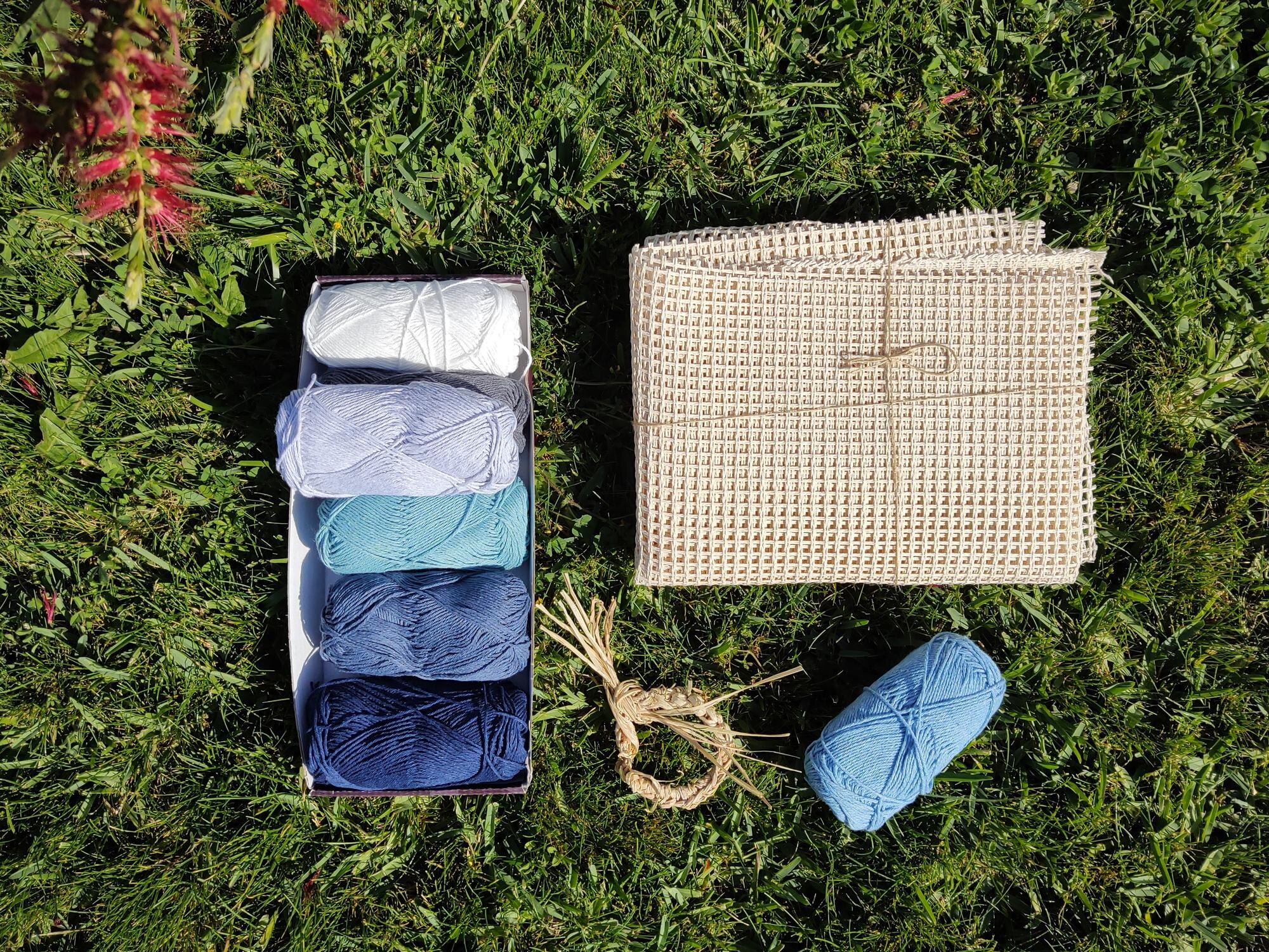
Now that you’ve got the basics, let’s explore ways to use every bit of fabric creatively. Zero-waste sewing is all about making the most of your materials.
Quilt Scrap Project Ideas
Scraps can become stunning new projects. Think of them as puzzle pieces waiting to be part of something bigger. One idea is to create a patchwork pillow cover. It’s a simple project that adds charm to any room.
Another option is to sew a multi-coloured tote bag. These projects not only use up your scraps but also make great gifts. Plus, they’re a fun way to try out different techniques on a smaller scale.
Thrifty Scrap Use and Crumb Blocks
Crumb blocks are a brilliant way to use even the smallest pieces of fabric. Gather your scraps and sew them together in a random fashion. Once you have enough, trim them into blocks. These blocks can be assembled into a larger quilt or used as accents.
The beauty of crumb blocks is their uniqueness. Each one tells a story of past projects. They add a touch of whimsy and character to your quilts, making them truly one-of-a-kind.
Natural Dye Fabrics Exploration
For a personal touch, why not try dyeing your fabric? Natural dyes offer rich colours without synthetic chemicals. You can use ingredients like onion skins, turmeric, and berries.
Experimenting with natural dyes is a fun way to connect with your craft. Each batch can produce different shades, allowing for endless possibilities. Plus, it’s a great way to use scraps of light-coloured fabrics that need a new life.
Sustainable Sewing Practices
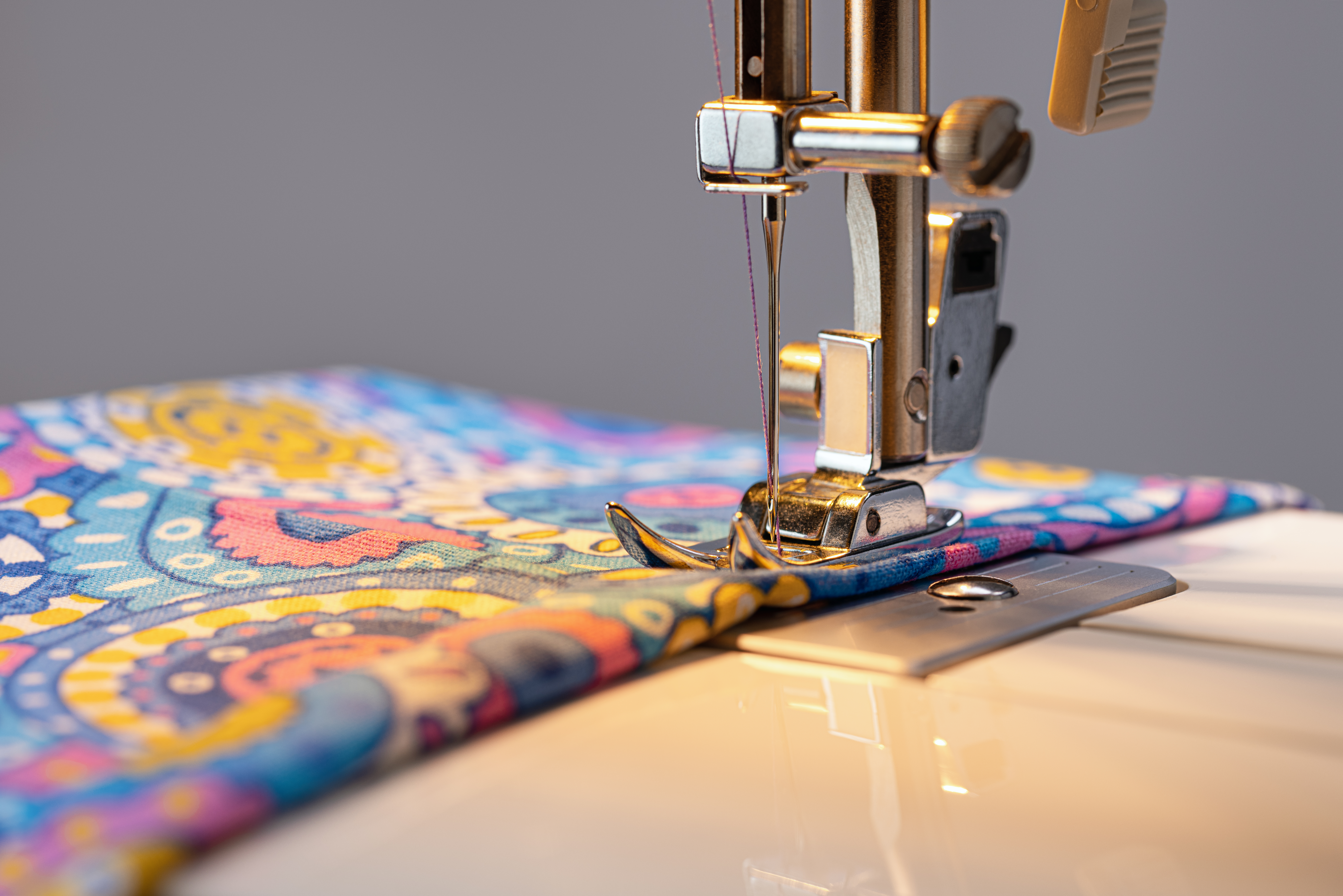
Sustainability isn’t just in materials; it’s in how you sew too. Let’s explore some practices that help conserve resources.
Energy-Efficient Sewing Tips
Your sewing machine can be more eco-friendly with a few tweaks. First, consider using LED bulbs in your sewing area. They last longer and consume less power.
Also, remember to unplug your machine when not in use. It’s a simple habit that saves energy. If you’re upgrading, look for machines with energy-saving features. Every little bit counts in reducing your carbon footprint.
Caring for Quilts to Last
Proper care extends the life of your quilts. Wash them in cold water to prevent fading and shrinking. Use gentle detergents that are easy on the fabric and the environment.
When storing, keep quilts in a cool, dry place. Avoid plastic bags as they can trap moisture. Instead, use cotton sheets to cover them, allowing the fabric to breathe.
Locally Sourcing through SHQA
Support local businesses by sourcing your materials through SHQA’s directories. Finding nearby suppliers cuts down on transportation emissions. Plus, it strengthens the local economy.
Look for workshops and events where you can connect with other quilters. SHQA offers a platform to find these opportunities, making it easier to embrace sustainable practices together.
🎨🧵🌿
In conclusion, eco-conscious quilting is about making mindful choices. Whether it’s using organic fabrics or trying zero-waste sewing, each step makes a difference. Share your journey with the SHQA community and inspire others to join. Happy quilting!

