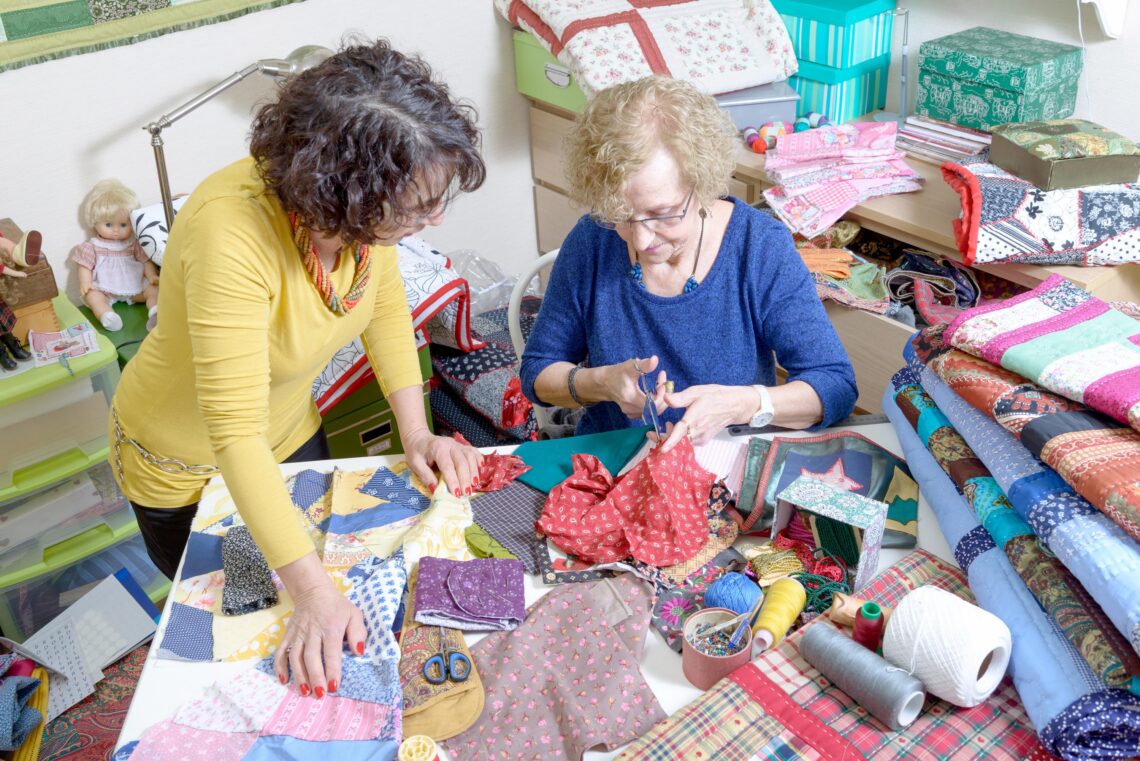
Quilting cotton is the heart of every patchwork project, yet choosing the right fabric can feel tricky. You want fabric that’s soft to handle, holds colour well, and sews smoothly every time. In this guide, we’ll walk you through what makes quilters cotton fabric special, how to pick the best pieces, and simple care tips to keep your quilts looking fresh. Stick with us, and you’ll be ready to stitch with confidence and join a community that loves quilting as much as you do.
For those looking to make informed choices, exploring the best quilting fabric can provide insight into selecting cloth that sews, presses, and lasts beautifully. Additionally, finding inspiration with the Missouri Star Quilt Company offers UK-friendly ideas to enhance your quilting journey. If you’re keen on exploring bundles and stitching with confidence, our guide to fat quarters is designed to support your fabric adventures.
Choosing Quilting Cotton
Selecting the right quilting cotton is a delightful journey that sets the stage for your creative projects. To make your quilts shine, start by understanding the basics of fabric weave and weight.
Understanding Fabric Weave and Weight
The weave and weight of fabric greatly impact your quilting project. Weave refers to how the threads are interlaced, and it affects the texture and durability. Quilting cotton typically has a plain weave, making it soft yet sturdy. Pay attention to thread count; a higher count indicates finer and more densely woven fabric. As for weight, quilting cotton often ranges between 120-150 GSM (grams per square meter), which balances softness and structure. A lighter fabric might not hold its shape, while a heavier one could be too stiff. Choose what suits your project best, whether it’s a cuddly blanket or a decorative piece.
Spotting Quality on the Bolt
When you’re at the fabric store, knowing how to identify quality can save you time and money. Start with a simple touch test; quality fabric feels smooth and not flimsy. Hold it up to light to check for even weaving. Look at the selvedge (the fabric’s edge): it should be neat without fraying. Patterns should align symmetrically. These small checks ensure you pick fabric that won’t disappoint.
Colourfastness and Shrinkage Checks
Keeping your quilt vibrant involves ensuring your fabric is colourfast. Before buying, rub a damp white cloth on the fabric’s surface; if colour transfers, it may bleed when washed. Also, consider shrinkage. Cotton can shrink up to 5% after washing. It’s wise to buy a little extra to account for this. Doing a pre-wash test on a small piece can help predict how much it will shrink, allowing you to cut with confidence.
Using Quilters’ Cotton Fabric
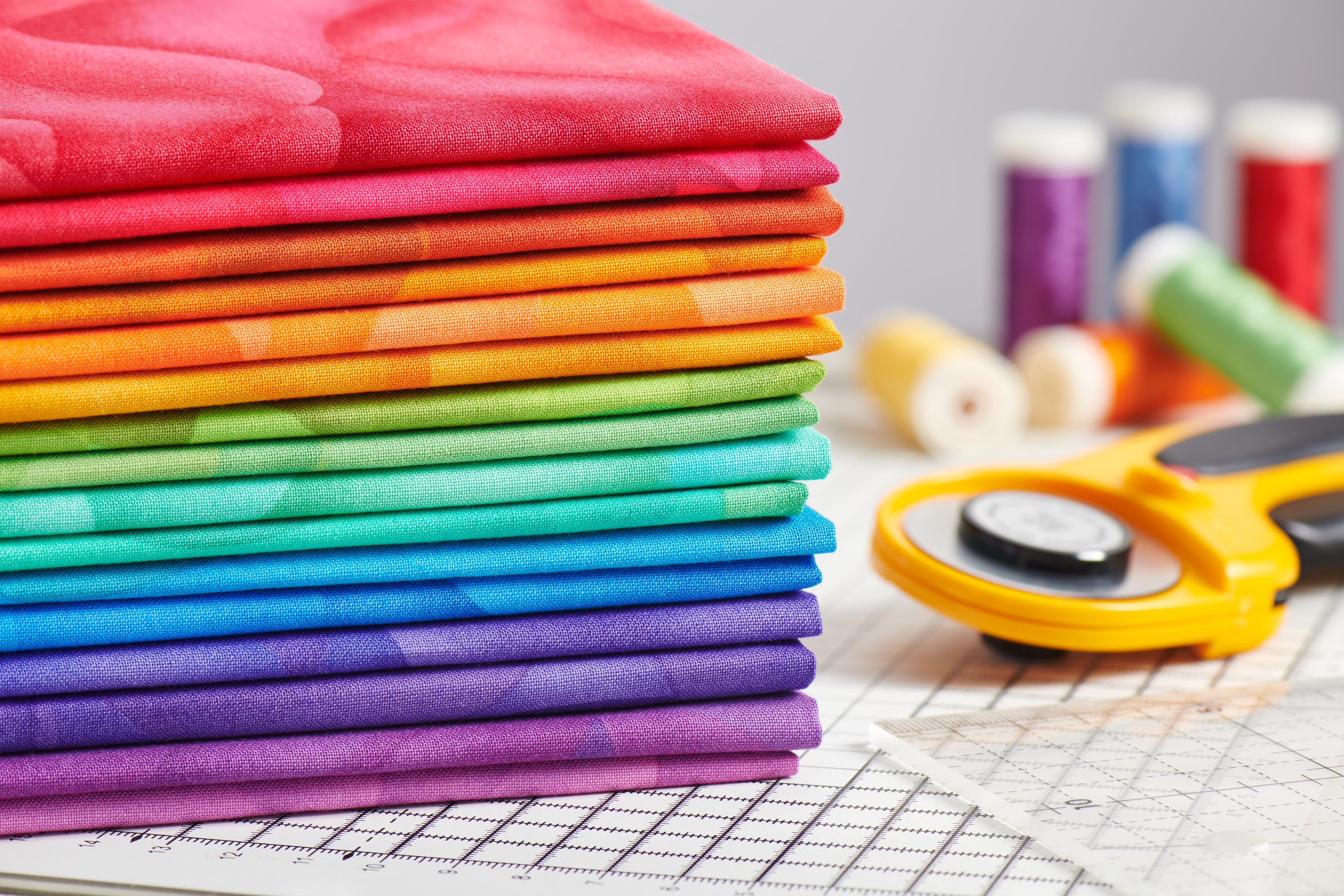
Once you’ve chosen your fabric, the fun begins. Using quilters’ cotton effectively involves mastering a few essential techniques.
Essential Quilting Tips for Beginners
Starting with quilting can be thrilling and a bit overwhelming. Begin with simple projects like a patchwork throw. Use a quarter-inch seam allowance for consistency. Remember to press seams as you go to keep your blocks neat. Practice makes perfect, so embrace each mistake as a learning opportunity.
Piecing, Pressing, and Seaming Techniques
Piecing is the art of assembling fabric pieces to form a quilt top. Precision is key; use a rotary cutter for clean edges. After sewing, pressing the seams flat with an iron helps reduce bulk. When seaming, align patterns for a seamless look. These techniques transform individual pieces into a cohesive work of art.
Precuts and Fabric Mixing
Precuts, like fat quarters and jelly rolls, offer convenience and variety. They save time and are perfect for mixing patterns without clashing. When mixing fabrics, choose colours that complement each other. Harmonious combinations make quilts visually appealing.
Caring for Your Quilting Cotton
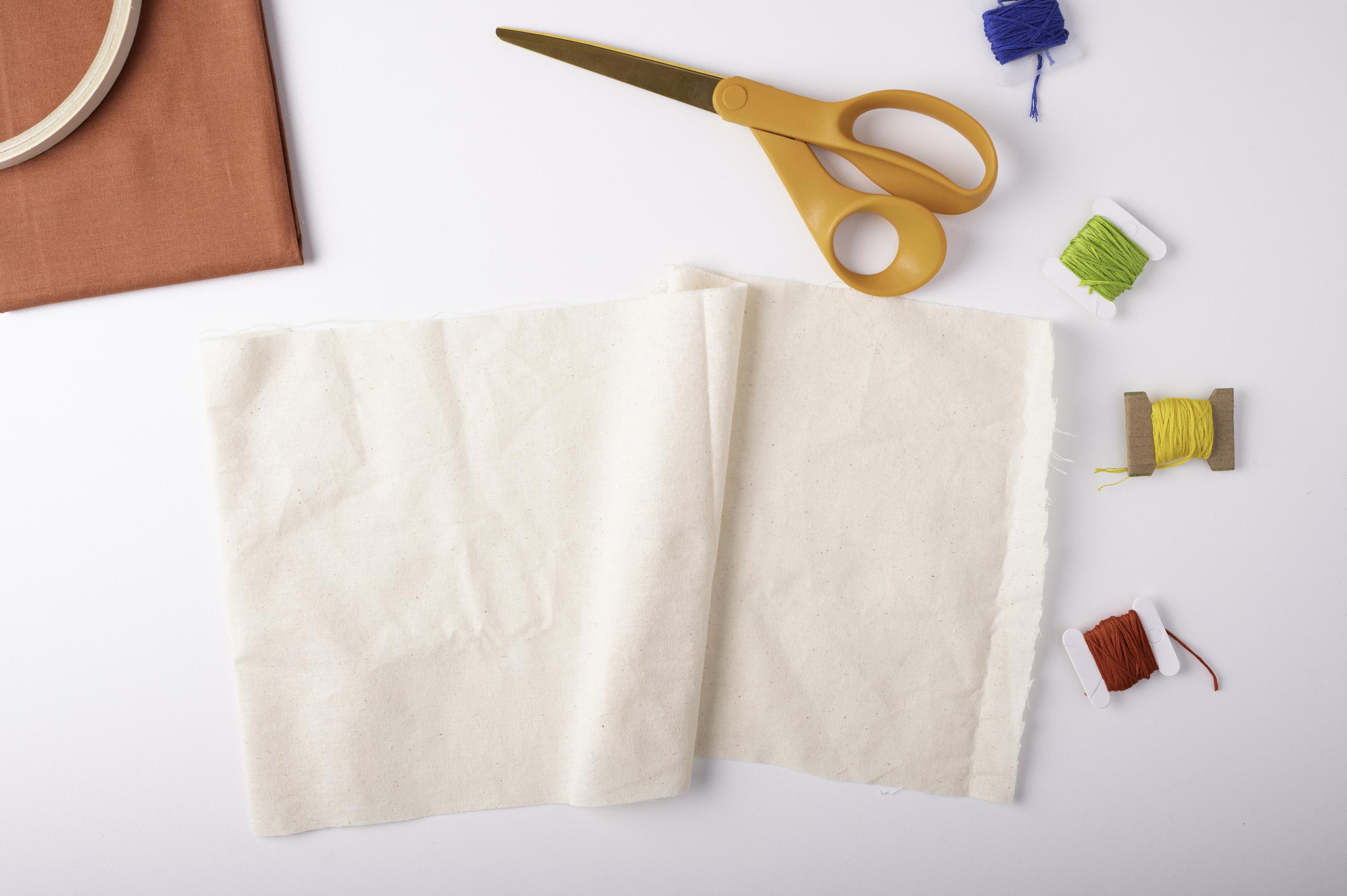
Proper care of your quilting cotton ensures it remains vibrant and durable for years to come.
How to Pre-wash Quilting Cotton
Pre-washing your cotton helps prevent future shrinkage and colour bleeding. Wash it in cold water with a mild detergent. After washing, gently tumble dry or air dry. This simple step prepares your fabric for cutting and sewing.
Proper Cotton Fabric Care
To keep your quilt in top condition, wash it on a gentle cycle using cold water. Avoid harsh detergents. Line dry if possible, or use a low heat setting in the dryer. Proper care keeps the colours bright and the fabric looking fresh.
Sustainable and Eco-friendly Options
Consider eco-friendly quilting by choosing organic cotton. It’s grown without harmful pesticides, making it gentle on the environment. Also, look for ethically sourced fabric, ensuring fair labour practices. Sustainable quilting contributes to a healthier planet.
Frequently Asked Questions
What is the best weight for quilting cotton?
Quilting cotton typically ranges between 120-150 GSM. This weight offers a balance of softness and structure suitable for most quilting projects.
How can I test fabric for colourfastness?
Rub a damp white cloth on the fabric. If colour transfers, the fabric may bleed in the wash. Always test before starting your project.
Why should I pre-wash quilting cotton?
Pre-washing prevents future shrinkage and colour bleeding, ensuring your quilt maintains its shape and vibrancy after completion.
How do I care for my finished quilt?
Use a gentle cycle with cold water and mild detergent for washing. Line dry or use a low heat setting in the dryer to maintain the fabric’s quality.
What are sustainable quilting options?
Opt for organic cotton and ethically sourced fabric. These choices support environmental sustainability and fair labour practices.

