
Free beginner quilting patterns can feel hard to find, especially when you want something simple and satisfying. Many new quilters struggle to pick projects that build skills without overwhelming them. That’s why we’ve gathered 12 easy quilt patterns for beginners UK makers will love, designed to help you start stitching with confidence. Join SHQA free today to download your pattern pack and connect with others who share your quilting passion.
Looking to dive into the world of quilting? You might want to check out our guide on How to Start Quilting, which offers a warm, welcoming start for beginners. For those eager to get their hands on Brilliant Free Quilting Patterns, we’ve got you covered with options from first blocks to weekend finishes. And if you’re ready to Start Your First Quilt, we’ve compiled six beginner-friendly patterns to stitch with confidence.
Join SHQA free today to download our Beginner Pattern Pack, get invites to virtual sew-days, and find local tutors and suppliers. Pop your name on our newsletter list, then share your first blocks with us — we’ll cheer you on every step of the way! 😊
Free Beginner Quilting Patterns
Quilting offers a fantastic way to express creativity while connecting with a vibrant community. These beginner-friendly patterns will have you stitching with confidence and joy.
Rail Fence Quilt Pattern
The Rail Fence pattern is a classic choice to start your quilting adventure. It’s simple: you assemble strips of fabric into blocks, creating a striking design. This pattern teaches you how to cut and join fabric strips accurately.
-
Benefits: This pattern is forgiving and offers a great introduction to quilting. You will learn the basics of cutting and sewing straight lines.
-
Process: Begin by choosing three or more fabrics with contrasting colours. Then, cut them into strips and sew the strips together to form a block. Repeat and join the blocks to create the quilt top.
Nine-Patch Tutorial
The Nine-Patch is another excellent pattern for beginners. It involves creating a grid of nine squares, providing a satisfying sense of progression as each block is completed.
-
Benefits: This pattern develops your precision skills and understanding of block assembly. It’s a favourite in the UK quilting community for its versatility.
-
Process: Select your fabrics, then cut into squares. Assemble these into blocks, alternating colours for contrast. As you sew, watch your quilt design come to life.
Disappearing Nine-Patch Tips
For a fun twist, try the Disappearing Nine-Patch. This pattern takes the traditional nine-patch block and transforms it into a more complex design.
-
Benefits: This pattern allows creativity while teaching advanced cutting techniques. You’ll surprise yourself with the intricate designs achievable from a simple start.
-
Process: Start with a nine-patch block. Once sewn, cut it into quarters, then rearrange and sew them back together. The result is a pattern that looks far more complex than its origins.
Simple Patchwork Patterns
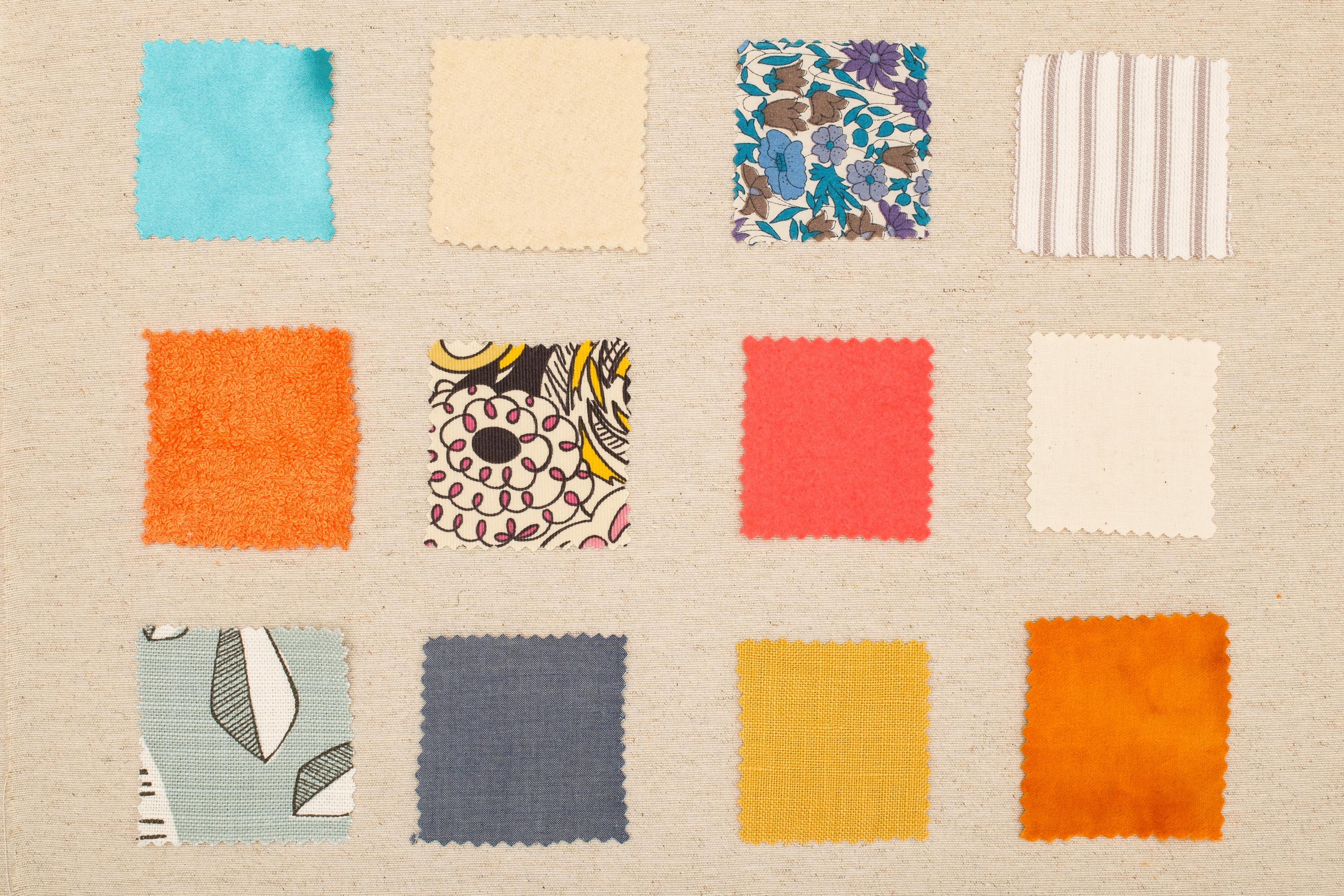
Once you’ve tried the basics, explore these simple patchwork patterns to broaden your skills and enjoy more creative quilting.
Log Cabin for Beginners
The Log Cabin pattern is a beloved staple in quilting. This design features a central square with surrounding strips, creating a cozy, layered look.
-
Benefits: The Log Cabin pattern teaches balance and symmetry. It’s perfect for using up fabric scraps.
-
Process: Begin with a centre square, then sew strips around it in a clockwise or counterclockwise direction. Play with colour and contrast to create stunning effects.
Half-Square Triangle Pattern
Half-square triangles are versatile and form the basis of many quilt designs. They are simple to make and offer endless design possibilities.
-
Benefits: This pattern enhances your cutting accuracy and understanding of triangles in quilting. It’s a fun way to experiment with geometric designs.
-
Process: Cut squares, then divide them diagonally to form triangles. Sew the triangles together to form larger blocks, arranging the blocks to create your chosen pattern.
Fast Four-Patch Ideas
The Four-Patch pattern is quick to assemble and perfect for those short on time. It involves combining four squares into a single block.
-
Benefits: You’ll learn quick assembly techniques and gain confidence in using different fabrics. This pattern offers speed without sacrificing creativity.
-
Process: Cut and sew four squares together to form a larger block. Combine these blocks to form your quilt top, experimenting with colour placements for different effects.
Beginner Quilting Tips
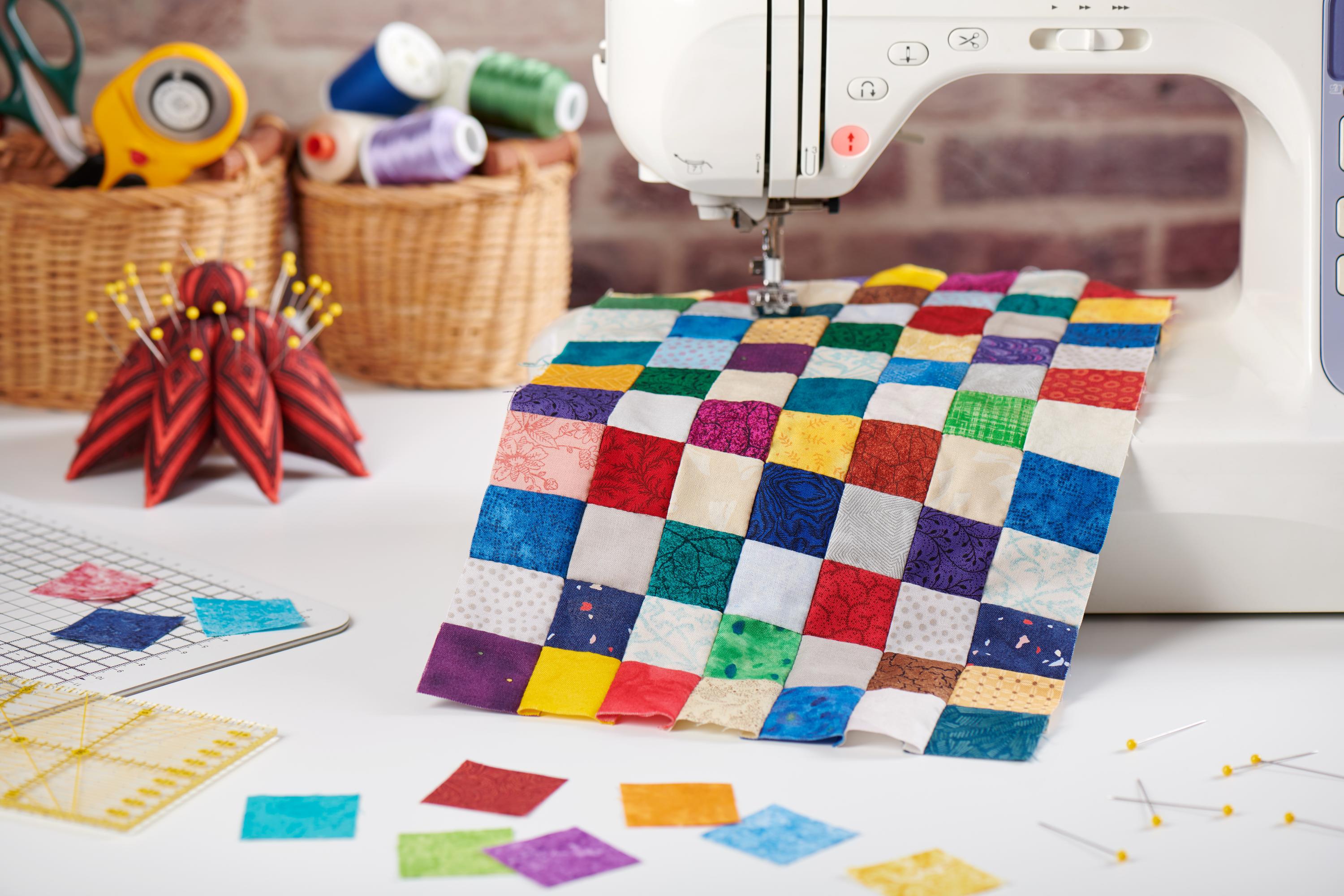
Mastering the basics of quilting ensures a smooth and enjoyable crafting experience. Here are some essential tips to get you started.
Cutting and Pressing Basics
Accurate cutting and pressing are vital for quilt-making success. Cutting ensures your pieces fit together perfectly, while pressing helps them lie flat.
-
Cutting: Use a rotary cutter and ruler for precision. Measure carefully before cutting, and always double-check your measurements.
-
Pressing: Press seams open or to one side, using a hot iron. Pressing, rather than ironing, prevents stretching.
Basting and Quilting Guidance
Basting holds your quilt layers together, preparing them for stitching. Quilting is where the magic happens, as you sew the layers together.
-
Basting: Lay your backing fabric, batting, and quilt top flat. Use safety pins or basting spray to secure the layers.
-
Quilting: Choose simple patterns like straight lines or gentle curves, and use a walking foot for smooth sewing.
Binding Walkthrough 🌟
Binding finishes the edges of your quilt, giving it a polished look. It’s the final step in quilt-making and requires precision.
-
Binding: Cut strips of fabric, fold them in half, and sew them to the quilt’s edges. Miter corners for a neat finish.
-
Finishing Touches: Fold the binding over the quilt’s edge and hand-stitch it in place for a clean, professional appearance.
Frequently Asked Questions
What is the easiest quilt pattern for beginners?
For beginners, the Rail Fence and Nine-Patch are excellent starting points. They are simple to assemble and help you learn basic quilting techniques.
How do I choose fabrics for my first quilt?
Select fabrics with contrasting colours to add visual interest. Consider the fabric’s weight and texture to ensure they complement each other.
What tools do I need to start quilting?
Essential tools include a rotary cutter, cutting mat, quilting ruler, sewing machine, and an iron. These help in precision and ease of construction.
How do I keep my quilt layers from shifting during quilting?
Basting is crucial. Use safety pins or basting spray to hold the layers together securely before quilting.
Can I quilt by hand without a machine?
Absolutely! Hand quilting is a traditional method that many enjoy. It requires patience but offers a relaxing and rewarding experience.

