

Booking a quilting retreat in the UK is more than just picking a date and place. You want to feel comfortable, learn new skills, and enjoy a pace that suits your style. Knowing what to look for can make all the difference between a stressful escape and a peaceful patchwork haven. Let’s explore how you can choose the perfect sewing retreat with confidence and ease.
Choosing Your Ideal Quilting Retreat
Looking for the perfect quilting retreat can be a daunting task. But it doesn’t have to be! Let’s break it down into essential elements that will help you choose the best experience for your needs.
Quilt Retreat Comfort Checklist
A retreat should feel like a home away from home. Start by checking the accommodation options. Are they comfortable and inviting? Consider the sleeping arrangements and room amenities. You want to feel relaxed and at ease so you can focus on your quilting projects.
Next, think about the food. Are meals included? It’s important to have nourishing options that cater to your dietary needs. This ensures you have the energy and focus to enjoy your quilting experience to the fullest.
Lastly, look at the available facilities. Is there a cosy common area for socialising? A retreat should offer spaces that encourage connection and relaxation, enhancing your overall experience.
Venue Lighting and Workspace for Quilting
Good lighting is crucial for any quilting project. When evaluating a venue, ensure that the lighting in the workspace is bright and well-distributed. This helps in reducing eye strain and allows you to work on intricate details with ease.
Consider the workspace layout as well. Is there enough room to spread out your materials? A spacious area allows you to work comfortably without feeling cramped. Check if the venue provides cutting tables or design walls, as these tools can significantly enhance your quilting process.
Don’t forget about the chair comfort. You might be spending long hours seated, so having an ergonomic chair is essential. This will prevent backaches and make your quilting time more enjoyable.
Retreat Packing and Setup Tips
Packing smart for a retreat can save you time and stress. Begin with a list of essentials: sewing machines, fabrics, threads, and cutting tools. Make sure these items are easily accessible in your luggage.
Consider packing a small sewing kit for emergencies. This kit can include extra needles, a seam ripper, and spare bobbins. It ensures you’re prepared for any hiccups during your project.
Finally, think about your comfort items. A favourite mug or pillow can make your stay more personal and comfortable. Bringing these little touches from home can create a welcoming atmosphere at your retreat.
Learning and Development at Retreats
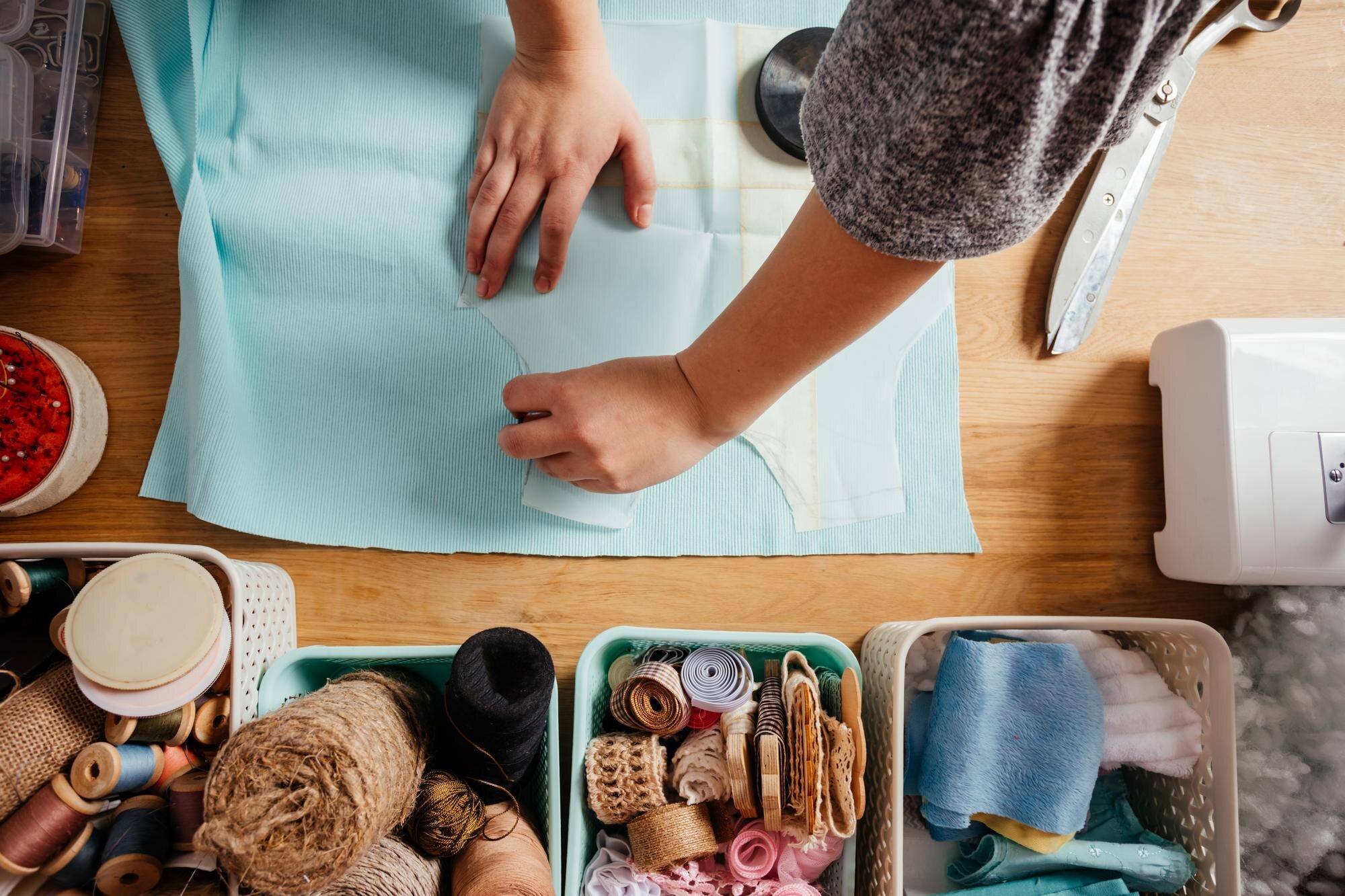
Quilting retreats offer a fantastic opportunity to learn new skills and improve your techniques. Here’s how to make the most of this educational experience.
Quilting Workshop Quality
The quality of workshops can greatly influence your retreat experience. Look for retreats that offer classes with experienced instructors. Their expertise can provide you with valuable insights and techniques.
Check the workshop descriptions before booking. Do they cover topics you’re interested in? Whether it’s mastering a new stitch or learning a complex pattern, make sure the content aligns with your goals.
Interaction is key. Choose workshops that encourage hands-on learning and feedback. This approach allows you to practice your skills and gain confidence with guidance from knowledgeable tutors.
Beginner-Friendly Quilt Retreat Options
If you’re a beginner, selecting a retreat that caters to your skill level is crucial. Look for sessions specifically designed for newcomers. These classes often focus on foundational techniques, ensuring you build a strong base.
Beginner-friendly retreats should offer a supportive atmosphere. Tutors should be patient and willing to provide extra assistance if needed. This nurturing environment helps you learn without feeling overwhelmed.
Check if the retreat provides materials or if you need to bring your own. Having the right supplies available can make the learning process smoother and more enjoyable for beginners.
UK Quilting Tutors Directory
Finding the right tutor can make all the difference in your learning journey. The UK offers a diverse range of quilting experts. Use online directories to explore options and read reviews from past students.
Look for tutors with styles that match your interests. Whether it’s traditional patchwork or contemporary designs, choosing someone whose work resonates with you will enhance your learning experience.
Consider attending local quilting events to meet tutors in person. These gatherings provide an opportunity to connect and discuss your goals, helping you find a tutor who fits your needs.
Balancing Rest and Activity
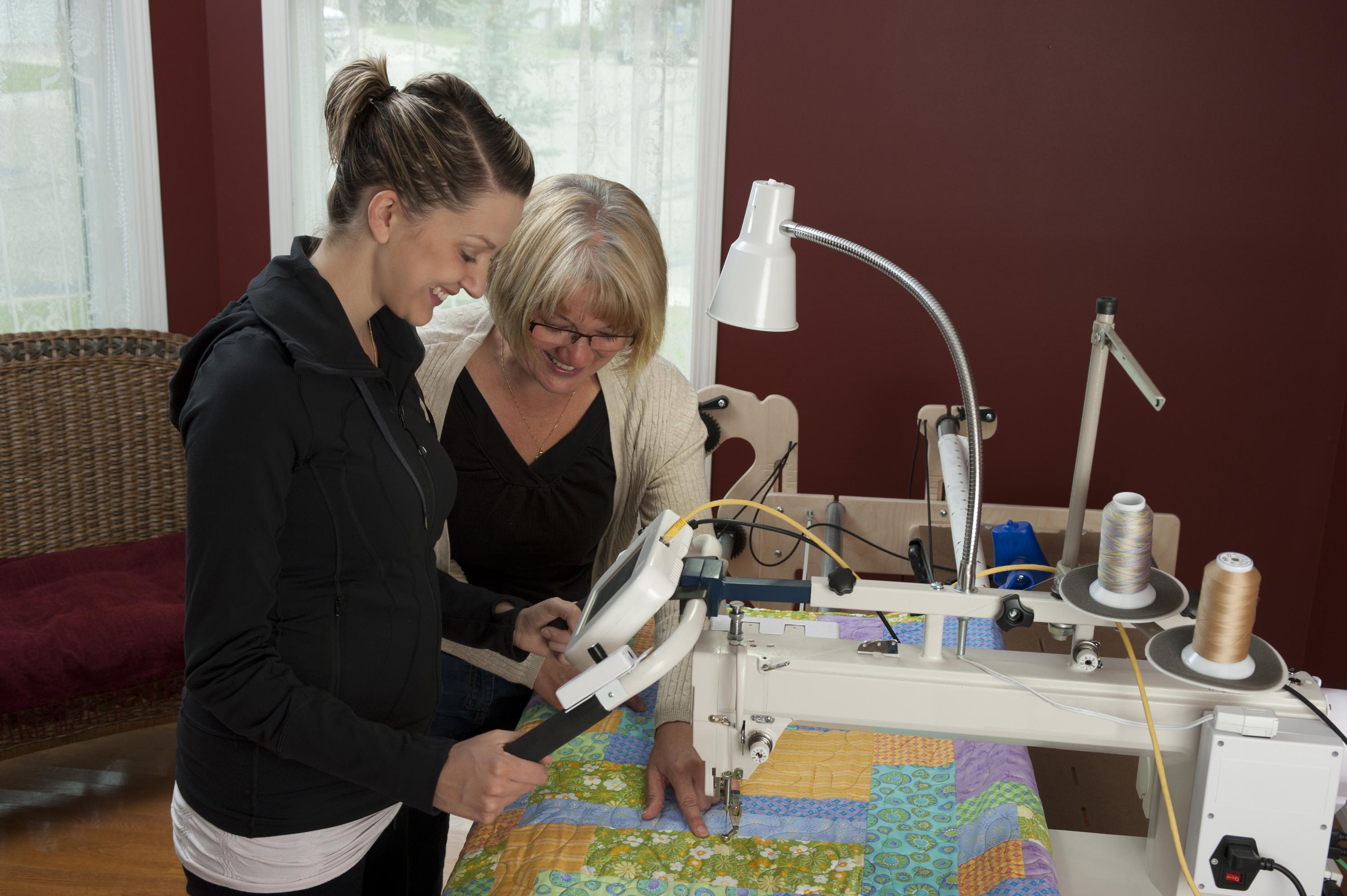
Striking the right balance between rest and activity at a retreat is essential for a rejuvenating experience.
Retreat Daily Pace and Schedule
When choosing a retreat, pay attention to the daily schedule. Look for a balance between structured sessions and free time. This ensures you have opportunities to learn while also relaxing and enjoying your surroundings.
Assess the pace of the activities. You don’t want to feel rushed or overwhelmed. A well-planned schedule allows you to savour the experience and feel refreshed rather than exhausted.
Consider retreats that offer optional activities. This flexibility lets you tailor your experience to your preferences, whether you want to dive into quilting all day or take leisurely breaks.
Quiet Time and Social Quilting Balance
A great retreat offers both quiet time and social quilting opportunities. Quiet time is essential for personal reflection and focusing on your projects. It provides the space to unwind and appreciate the solitude of quilting.
Social quilting, on the other hand, fosters a sense of community. Engaging with fellow quilters can inspire new ideas and techniques. Look for retreats that encourage group activities and interactions, creating a supportive and lively environment.
Sewing Machine Hire at Retreats
Not everyone wants to bring their own sewing machine to a retreat. Check if the venue offers machine hire services. This option can be a convenient solution, especially if travelling with your equipment is difficult.
Ensure the machines provided are well-maintained and suitable for your needs. Having access to reliable equipment can greatly enhance your retreat experience, allowing you to focus on your creativity.
Frequently Asked Questions
What should I pack for a quilting retreat?
Pack your sewing machine, fabrics, threads, and basic tools. Consider a small emergency kit with extra needles and a seam ripper. Also, bring personal comfort items like a favourite mug or pillow.
How do I choose a beginner-friendly quilting retreat?
Look for retreats offering classes specifically for beginners. Check if the instructors are experienced and if the environment is supportive. Ensure the retreat provides materials to simplify your learning experience.
What makes a good quilting workshop?
A good workshop has experienced instructors, interactive sessions, and covers topics of interest. It should provide hands-on learning and feedback opportunities, helping you refine your skills with expert guidance.
How can I balance rest and activity at a retreat?
Choose a retreat with a balanced schedule of structured sessions and free time. Look for optional activities that allow you to tailor your experience. This approach ensures you enjoy both learning and relaxation.
Where can I find quilting tutors in the UK?
Use online directories to explore UK quilting tutors. Check reviews to find tutors whose styles match your interests. Attending local quilting events is also a great way to meet tutors in person.

