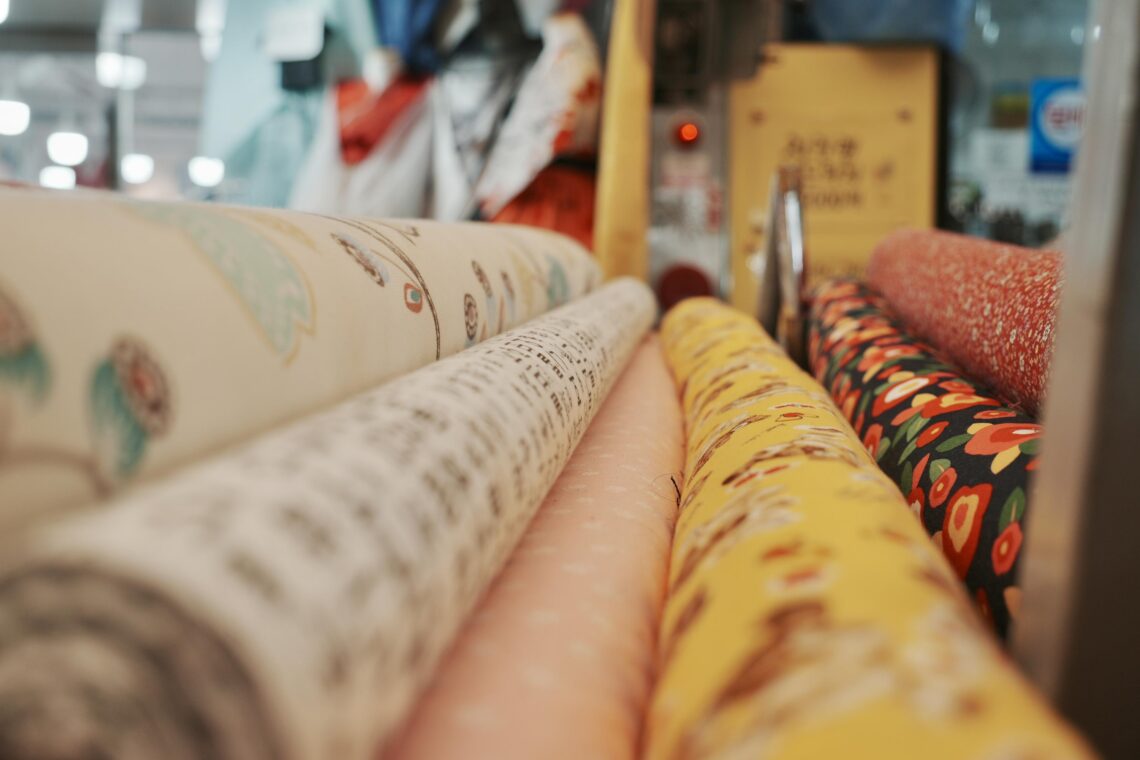
Finding the best quilting fabric isn’t just about picking pretty prints—it’s about choosing cloth that sews smoothly, presses well, and stands the test of time. Whether you’re piecing, adding borders, or selecting quilt backing, the right fabric makes all the difference. In this guide, you’ll get clear tips and checklists to boost your confidence and find quality quilting fabric UK options that suit your style. Let’s get your sewing stash ready for the next masterpiece!
Choosing the Best Quilting Fabric
Picking the right fabric is essential for creating quilts that you’ll love and cherish. Let’s explore what makes a fabric ideal for your next sewing project.
Why 100% Cotton is Ideal
Cotton is a favourite among quilters, and for good reason. It’s soft, breathable, and easy to work with. Cotton fabric sticks to itself, making it easier to piece together without slipping. This fabric is also able to handle multiple washes, which is crucial for the longevity of your quilt. Imagine snuggling into a quilt that feels soft and looks vibrant wash after wash.
This fabric also presses well, allowing you to achieve crisp seams. While some fabrics might scorch or melt under heat, 100% cotton holds up beautifully. When you’re choosing quilting fabric UK options, look for cotton. It’s widely available and offers a range of colours and patterns.
Understanding Thread Count for Quilting
Thread count is more than just a number. It plays a significant role in how your fabric handles stitching and wear. A count between 60 and 75 threads per inch is typically best for quilting. Why? Because it balances durability with a soft feel.
Higher thread counts can be too stiff, making it tricky to sew through layers. On the other hand, lower thread counts might not hold up as well over time. Keep this in mind when selecting your quilting cotton. Your quilt will feel just right—soft yet sturdy.
Exploring Batik Quilting Fabric
Batik fabric offers a unique touch to your quilts. Each piece is hand-dyed using a wax-resistant method, resulting in vibrant patterns. This fabric is known for its rich colours and detailed designs. It’s a fantastic choice if you want to add a pop of colour or intricate detail to your project.
Due to its dyeing process, batik fabric tends to be denser. It might require a sharper needle, but the extra effort is worth it. When you select batik fabrics, you’re not just choosing cloth; you’re choosing an art form.
Tips for Selecting and Testing Fabric
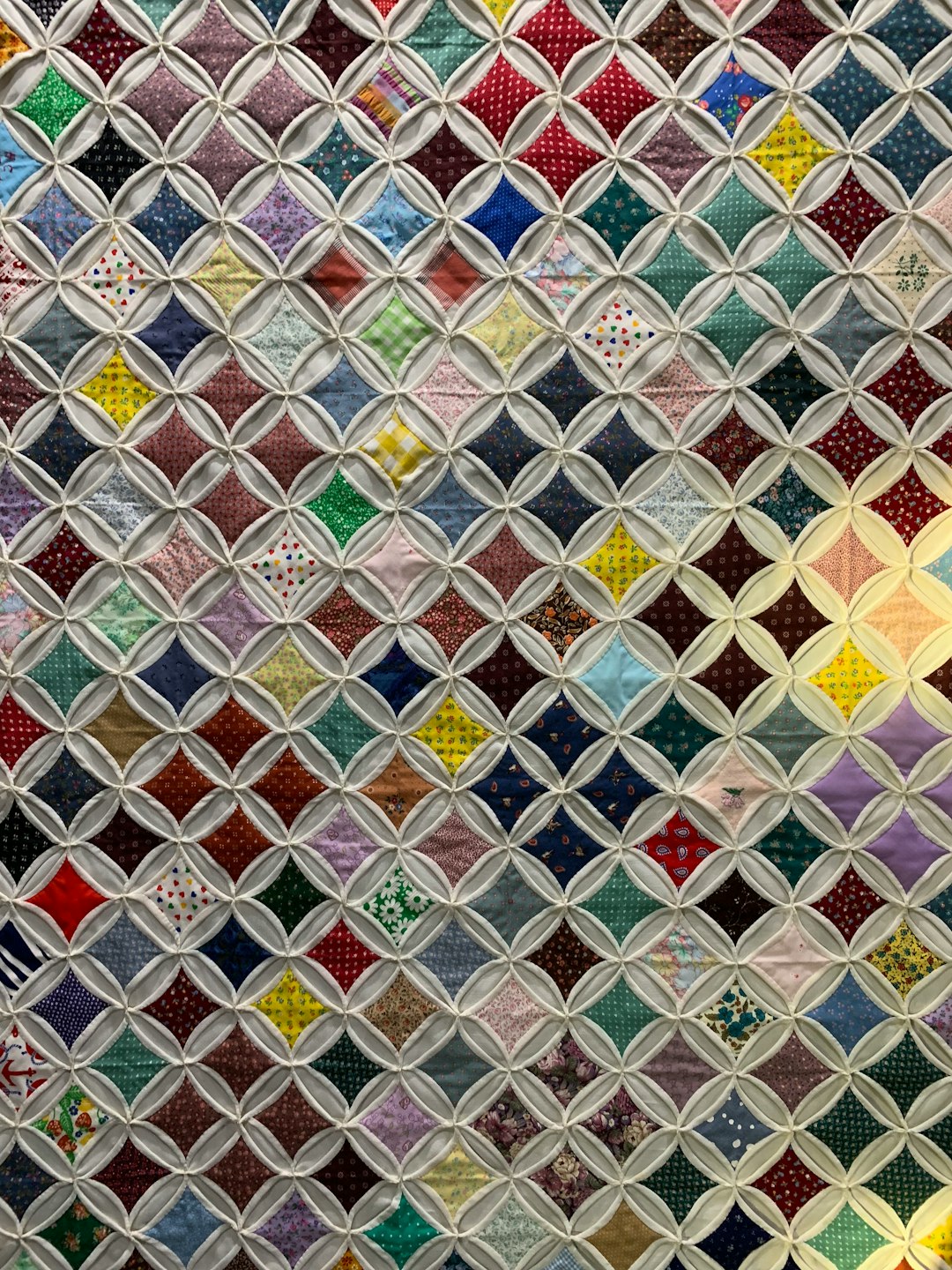
Selecting fabric isn’t just about looks. Testing its qualities ensures it meets your sewing needs. Let’s dive into some useful tips.
How to Perform a Colourfast Test
Testing fabric for colourfastness is a smart step. You don’t want your beautiful quilt to bleed colours the first time you wash it. Here’s a simple method:
-
Cut a small fabric piece.
-
Soak it in warm water.
-
Rub it against a white cloth.
If the colour transfers, it might not be colourfast. This quick test saves you from future heartaches and helps keep your quilt vibrant.
Checking the Grainline, Warp and Weft
Understanding the grainline is crucial. It affects how your fabric behaves when sewn. The grainline runs parallel to the selvedge and is the strongest direction of the fabric. Ensure your cuts follow this line to maintain quilt integrity.
The warp and weft threads create the fabric’s structure. Warp threads run lengthwise, while weft threads run crosswise. Checking these helps you avoid unwanted stretching or distortion while sewing. This attention to detail ensures your quilt pieces align perfectly.
The Importance of Washing Fabric Before Quilting
Pre-washing fabric is a must. It removes excess dye and pre-shrinks the material. Quilting fabric tends to shrink after washing, which can distort your finished quilt. By washing beforehand, you eliminate this risk.
Plus, washing makes the fabric softer, easing the sewing process. Just wash it as you would the finished quilt—gentle cycle, cold water. Your quilt will thank you by maintaining its shape and colours.
Smart Fabric Choices for Your Quilt
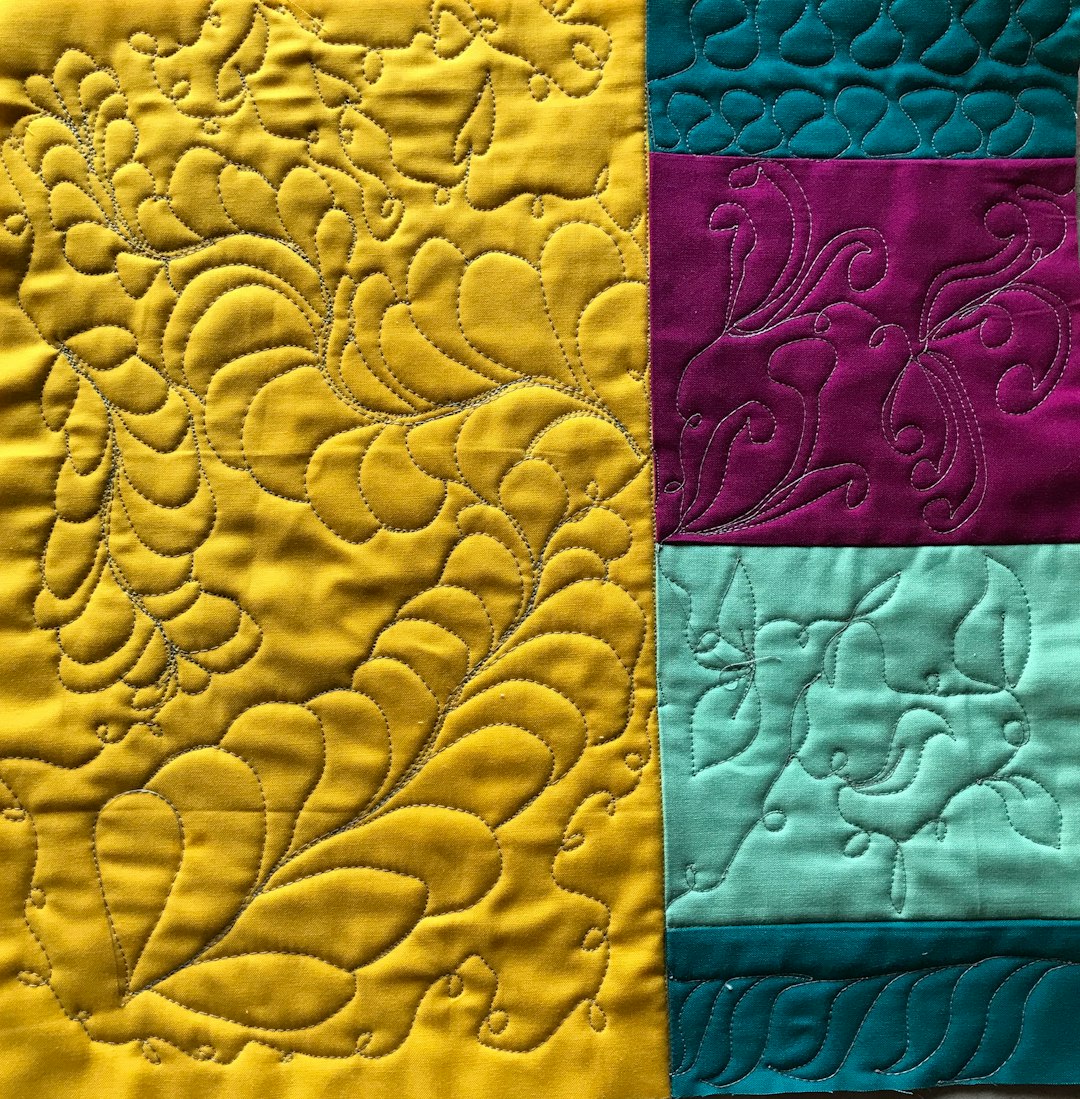
The fabric you choose sets the foundation for a stunning quilt. Let’s explore how to make smart choices.
Selecting Quilt Backing Fabric and Wadding
Choosing the right backing fabric is crucial for both appearance and function. A good backing should complement the quilt top and feel comfortable against the skin. Cotton is a preferred option due to its softness.
Wadding, or batting, is the quilt’s filling. It adds warmth and texture. Options include cotton, polyester, and wool. Each type offers different benefits in terms of warmth, loft, and drape. Consider the quilt’s intended use to select the best option.
Exploring Pre-cut Fabric and Fat Quarters UK
Pre-cut fabric packs are a time-saver. They come in various sizes, like fat quarters, which are quarter-yard cuts. These packs offer a variety of patterns in a single theme, making it easy to coordinate your quilt’s design.
Fat quarters UK options are especially popular as they are versatile and perfect for patchwork. With pre-cuts, you skip the hassle of measuring and cutting, allowing you to dive straight into the creative process.
Sustainable Quilting Fabric Options
Sustainability is not just a trend—it’s a way to make a positive impact. Look for fabric producers who focus on eco-friendly practices. Organic cotton is one such option, grown without harmful chemicals.
Recycled fabrics are another great choice. They repurpose waste into beautiful new textiles. By choosing sustainable fabrics, you contribute to a healthier planet while creating lasting art.
🌟 #quilting #sewing #patchwork #quilt #shqa 🌟
Choosing the right fabric is a game-changer. Armed with these tips, you’re ready to create a quilt that not only looks good but feels amazing too. Happy quilting!

