Most beginner quilt patterns can feel complicated right out of the gate. You want to create easy patchwork quilts that look great but don’t overwhelm you with tricky steps. This guide to simple quilting patterns breaks down seven starter quilting projects into clear, friendly steps so you can build your skills with confidence. Ready to stitch your first quilt? Join the Sew Happy Quilters’ Association (SHQA) for free and find support every step of the way.
If you’re wondering how to start quilting, we’ve got you covered with a warm, welcoming beginner’s guide to set you on the right path. And if you’re eager to dive into some brilliant free quilting patterns, there are plenty to download today, perfect for those first blocks or weekend finishes. Plus, why not embark on your first quilt with six beginner-friendly patterns designed for stitching with confidence?
Join the Sew Happy Quilters’ Association and tap into a supportive community that nurtures your quilting journey. Book your seat for our next ‘Start Quilting’ online taster and stitch your way to creativity and well-being! 🧵✨
Easy Starter Quilt Patterns
Begin your quilting adventure with these simple and rewarding patterns. Let’s explore how each one can build your skills and confidence.
Four-Patch Quilt Basics
The four-patch quilt is a classic project that introduces you to the art of quilting with ease. Start with just four equal squares sewn together, creating a block that forms the foundation of many quilts. Choose contrasting fabrics to add visual interest and learn how to align seams for a neat finish. This pattern is perfect for those looking to play with colour combinations without feeling overwhelmed.
Once you’ve mastered the basic four-patch, experiment with different layouts. Rotate the blocks or use fabrics with varying prints to see how the design evolves. It’s a fantastic way to see immediate results and gain satisfaction from your work.
Nine-Patch Quilt Guide
The nine-patch quilt pattern is a step up in complexity but still manageable for beginners. It consists of three rows and three columns, creating a grid of nine squares. This pattern allows you to practise precision cutting and seam matching, both essential skills in quilting.
To create a nine-patch quilt, start with nine fabric squares of the same size. Arrange them in a pattern you like: alternating colours or prints can add excitement to the design. As you piece the quilt together, you’ll gain a better understanding of how different fabrics can work together to create a cohesive look.
Rail Fence Quilt Tips
The rail fence quilt pattern is another beginner-friendly option that uses strips of fabric, known as rails. This pattern helps you practise cutting and piecing strips, which are foundational skills for more complex quilting projects.
Begin by selecting three or more fabrics that complement each other. Cut these fabrics into strips and sew them together to form a block. By rotating each block, you can create a visually appealing zigzag or step-like pattern. This quilt is a great way to explore texture and movement in your designs.
Simple Patchwork Projects
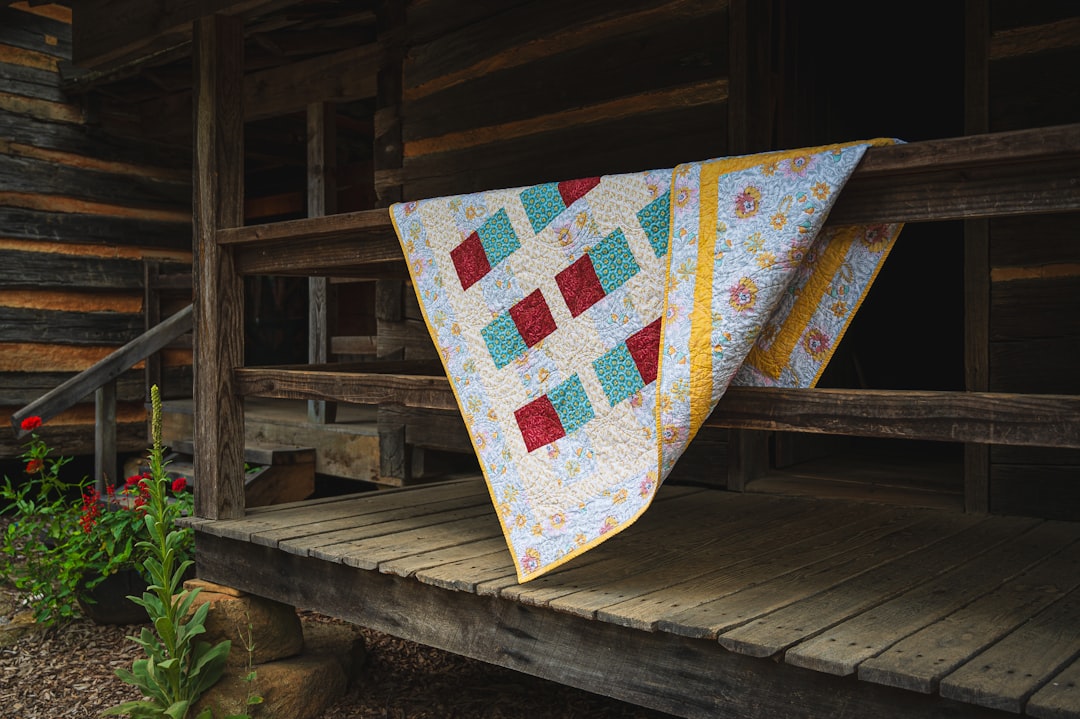
Ready to experiment with different techniques? These simple patchwork projects can inspire you and enhance your quilting skills.
Strip Quilt Techniques
Strip quilts are a great way to use up fabric scraps and explore new patterns. They involve sewing long strips of fabric together, then cutting and rearranging them to form new designs. This technique is not only fun but also a fantastic way to practise your sewing consistency.
Start with strips of varying widths and colours. Sew them together in a pleasing arrangement, then slice and rearrange to form blocks or rows. This method encourages creativity and offers endless possibilities for unique designs. Plus, it’s perfect for using leftover fabrics from other projects.
Coin Quilt for Beginners
Coin quilts are named for their appearance, resembling stacked coins. This pattern is simple and requires minimal cutting, making it ideal for beginners. It involves sewing vertical rows of fabric strips, which can be a great way to showcase beautiful fabrics you’ve been saving.
Choose fabrics with different prints or colours to create striking contrasts. Sew the strips together in columns, and you’ll quickly see your quilt top come to life. The coin quilt is not only easy to assemble but also a wonderful way to display bold designs or patterns.
Log Cabin Quilt Made Easy
The log cabin quilt is a beloved pattern that offers endless variations. It consists of a central square surrounded by strips of fabric, creating a ‘log cabin’ look. This pattern teaches you about colour balance and symmetry, crucial skills in quilting.
Begin with a small square for the centre and add strips of fabric around it, alternating light and dark fabrics for contrast. This pattern can be as simple or complex as you desire, allowing for creativity in your approach. It’s a great project for practising your cutting and piecing accuracy.
Tips for Beginner Quilters
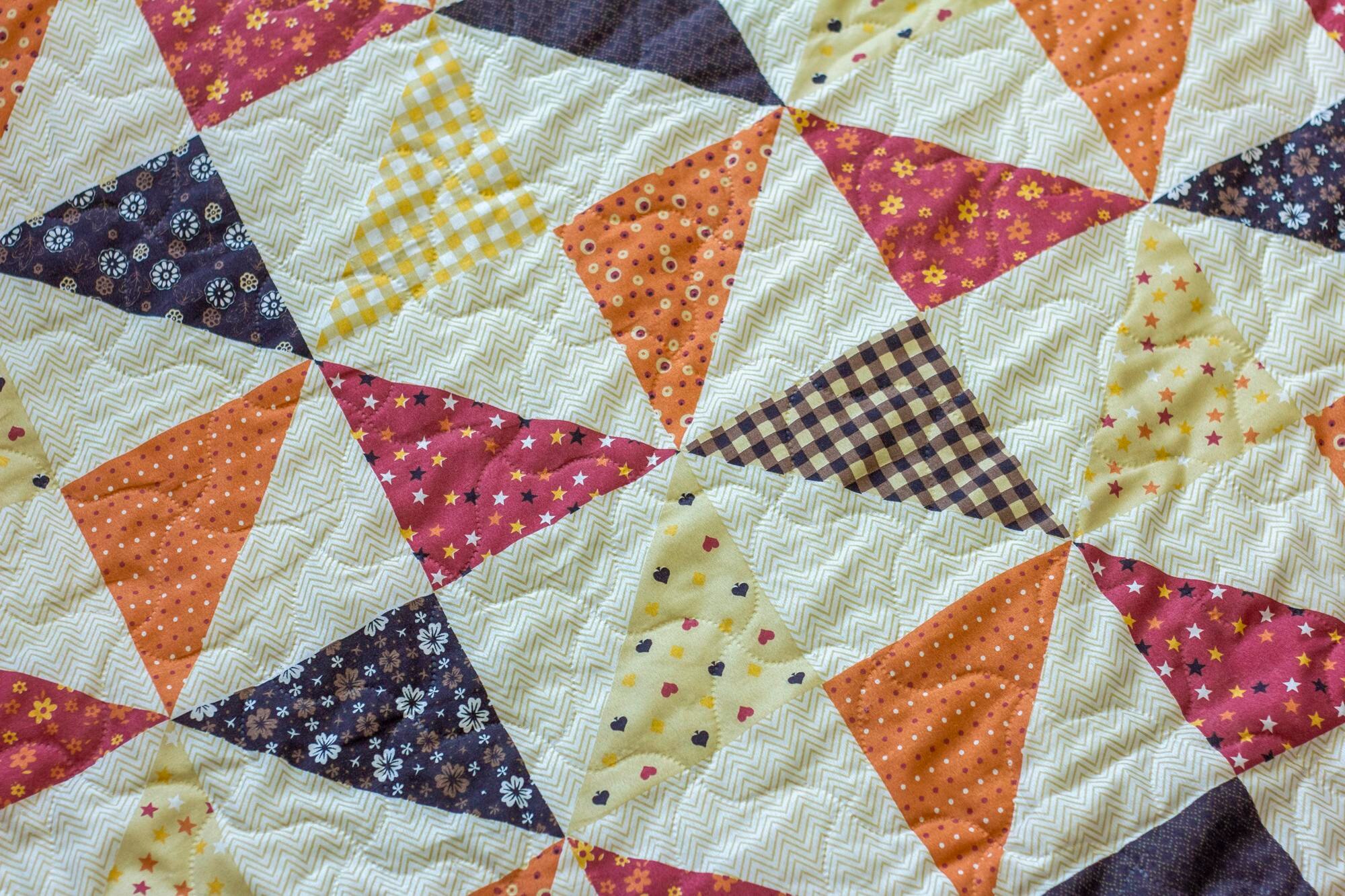
As you dive into quilting, these tips will help you develop your skills and make the process more enjoyable.
Half-Square Triangles Simplified
Half-square triangles (HST) are a staple in many quilt patterns. They’re versatile and can create stunning designs. To make HSTs, start with two squares of fabric. Place them right sides together, draw a diagonal line across the square, and sew on either side of the line. Cut along the line to get two HST units.
Practise making these units to understand how different fabric pairings affect the overall design. The more you experiment, the more confident you’ll become in creating intricate patterns.
Straight-Line Quilting Tips
Straight-line quilting is a straightforward method that adds texture to your quilts. It involves sewing lines in a grid or parallel lines across the quilt top. This technique is beginner-friendly and requires minimal tools.
Start by marking your quilting lines with a fabric-safe pen or tape. Sew slowly, keeping your lines straight and even. This technique not only enhances your quilt’s appearance but also helps secure the layers together, creating a durable finished product.
Quilt Binding Made Simple
Binding is the final step in completing a quilt. It involves sewing a fabric strip around the edges to give it a clean finish. Choose a binding fabric that complements your quilt top to frame your work beautifully.
Cut your binding strips, fold them in half, and sew them to the quilt’s edge. Miter the corners for a neat look and finish by hand or machine sewing the binding to the back. This step ties your quilt together and adds a professional touch to your creation.
Frequently Asked Questions
What is the easiest quilt pattern for beginners?
The four-patch quilt is often considered the easiest pattern for beginners. It involves sewing together four squares of fabric, allowing new quilters to practise basic sewing and cutting skills while creating a visually pleasing design.
How do I choose fabrics for my first quilt?
When selecting fabrics for your first quilt, choose a mix of colours and prints that you love. Start with a colour palette and pick fabrics that complement each other. Using pre-cut fabric bundles like charm packs can also simplify the selection process.
What tools do I need to start quilting?
To start quilting, you’ll need a few essential tools: a rotary cutter, cutting mat, ruler, sewing machine, and thread. As you progress, consider adding specialty tools like quilting rulers or a walking foot to your collection.
Where can I find quilting patterns for beginners?
Beginner-friendly quilting patterns can be found in many places, including online resources, quilting books, and local quilt shops. The Sew Happy Quilters’ Association also offers free quilting patterns and a supportive community to help you get started.
How do I join a quilting community?
Joining a quilting community is a wonderful way to connect with other quilters and gain support. The Sew Happy Quilters’ Association offers free membership, allowing quilters to access resources, events, and a network of fellow enthusiasts.

